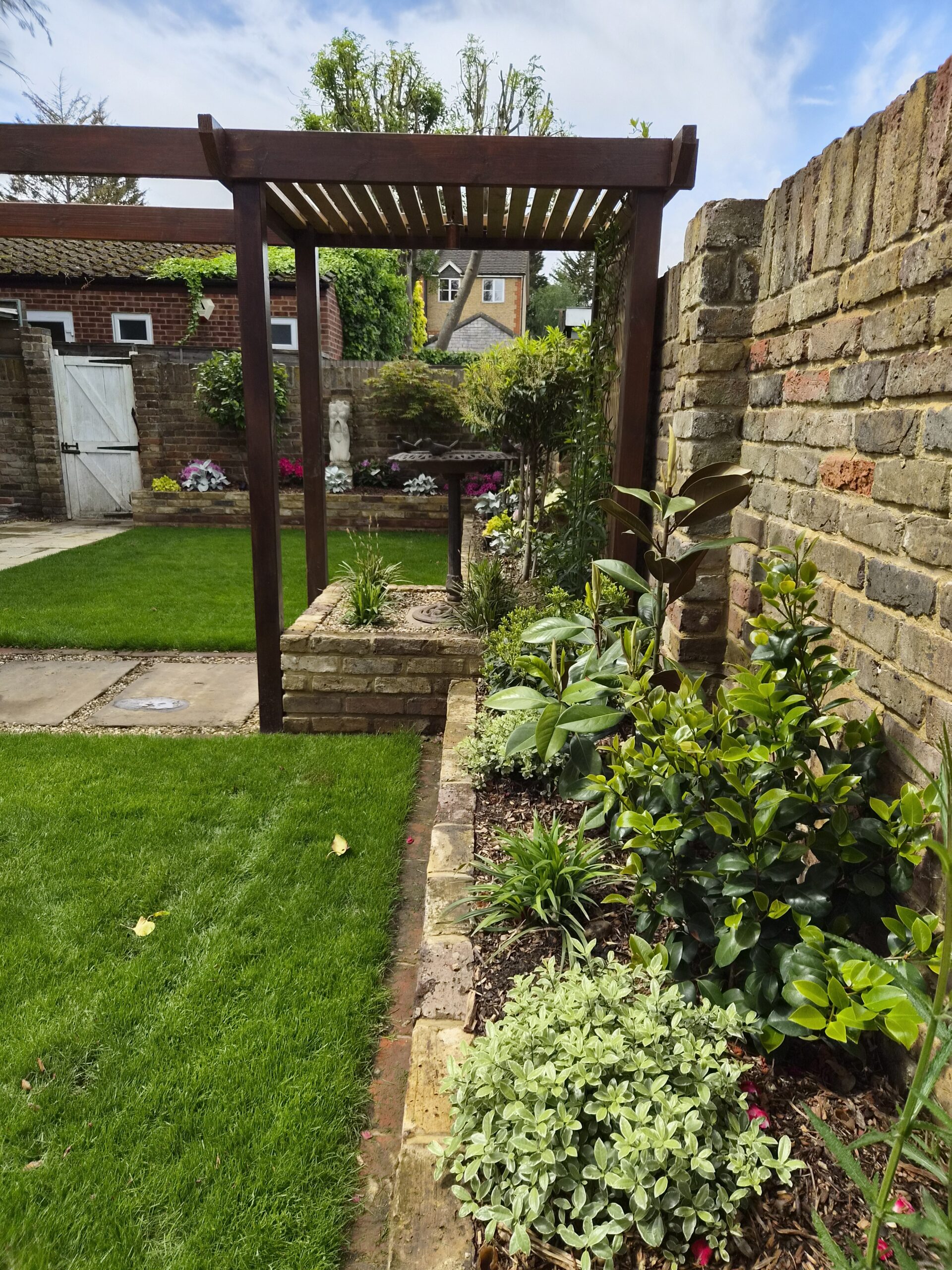
Golden Rules for Garden Design When Thinking About Your Space

Golden Rules for Garden Design When Thinking About Your Space

Designing your own garden is an exciting process—one that blends creativity, practicality, and a touch of artistry. Whether you’re starting from scratch or refreshing an existing garden space, understanding the golden rules for garden design when thinking about your space will help you achieve a well-designed garden that feels both functional and beautiful.

Great garden design is more than just planting flowers—it’s an art form that combines structure, colour, texture, and movement to create a garden paradise you’ll love spending time in.

The Destination Point: Creating a Focal Point

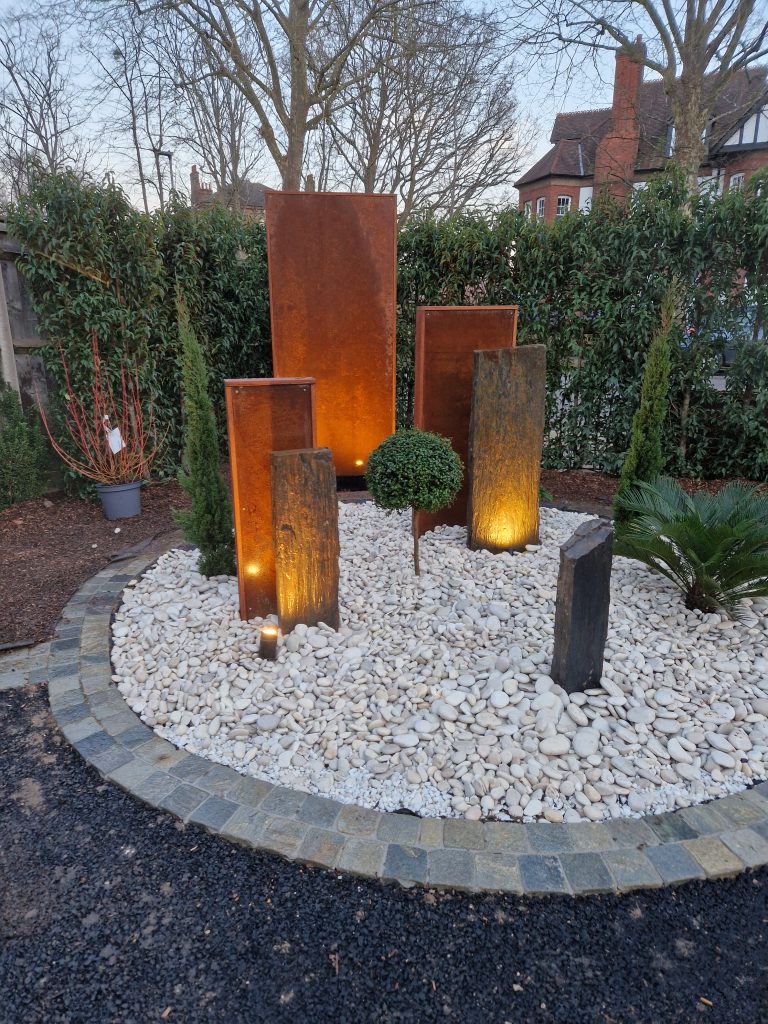
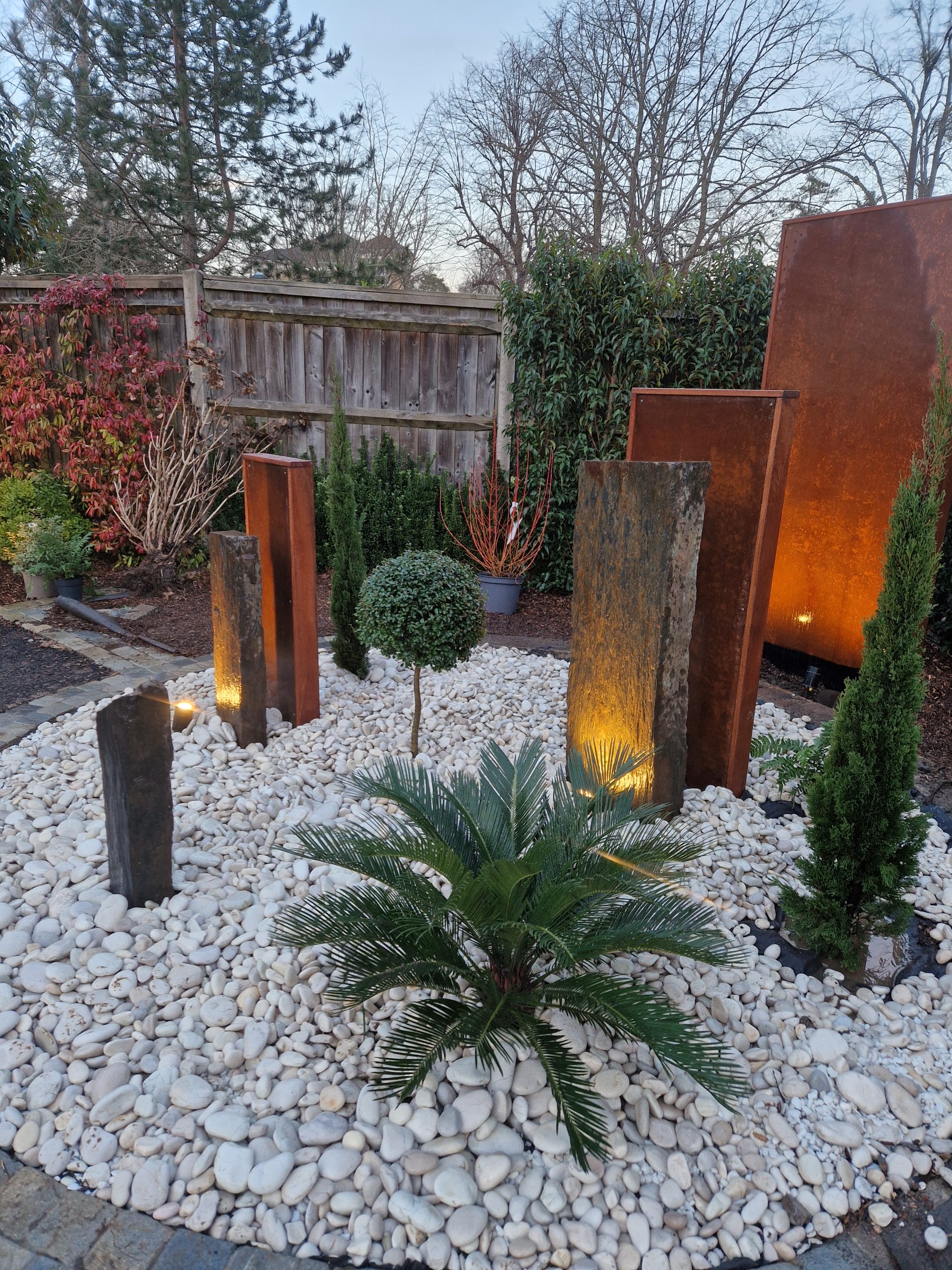
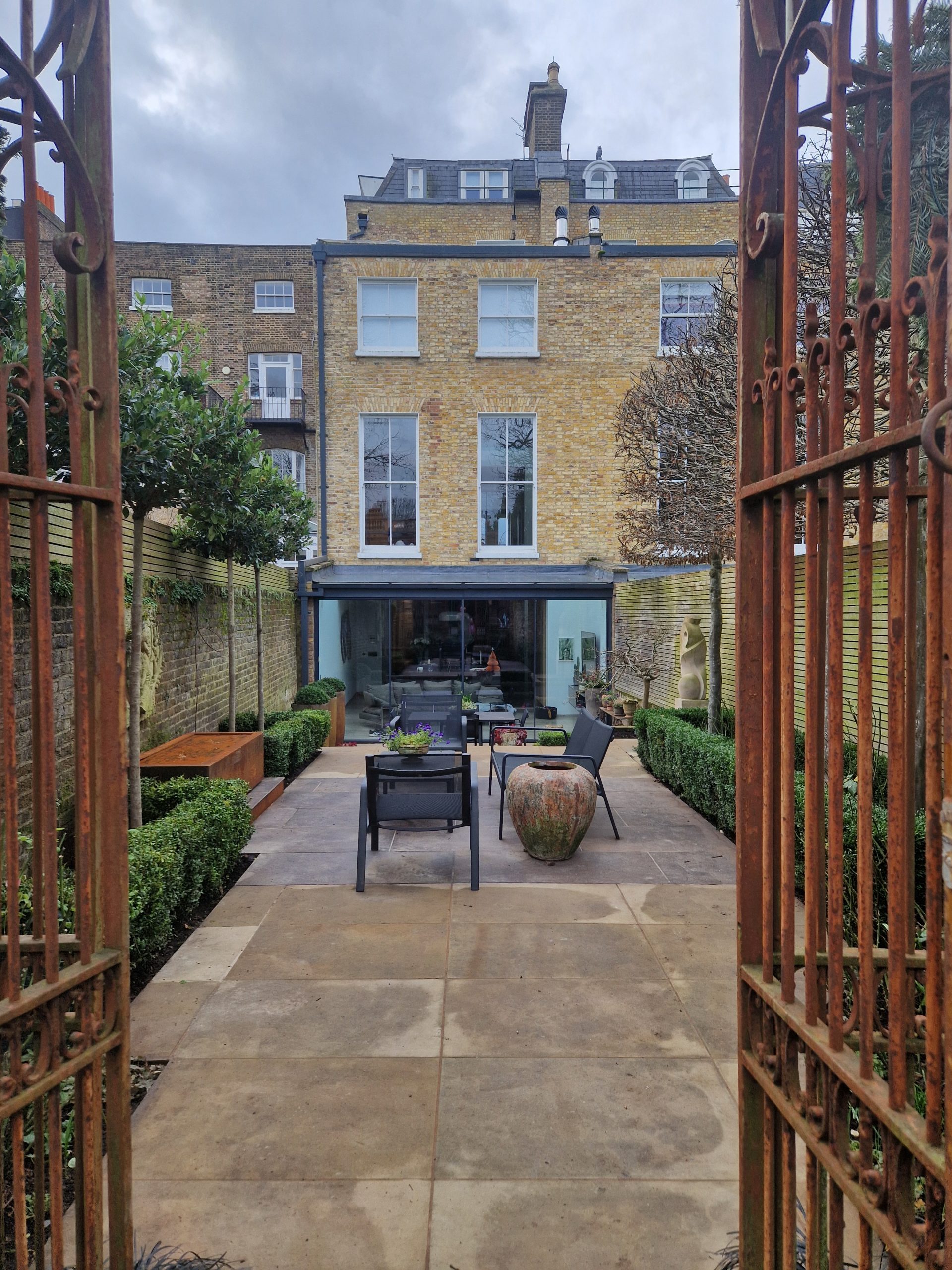
Every successful garden design starts with a clear focal point. This is a key principle in all strong garden design principles.

A focal point draws the eye and gives your outdoor space a sense of purpose. It could be:

  • A water feature
  • A seating area
  • A sculpture or a feature tree
  • A particularly striking plant

Think of it as the destination in your garden layout—the place your eye naturally travels to when you step outside.

To create interest and depth, consider:

  • Using tall elements like trees or vertical structures
  • Framing the point with garden beds or borders
  • Contrasting materials, colour, and texture

A strong focal point helps tie all the different elements together into a cohesive and visually pleasing design.

Planting: Choosing the Right Plants for Harmony and Impact

Planting is one of the most enjoyable parts of garden design, but it’s also where many people go wrong. A garden designer will always consider plant selection carefully to ensure long-term success.

When choosing the right plants, think about:

  • Sun exposure and ground conditions
  • Maintenance requirements
  • Seasonal colour and structure
  • Scale and proportion relative to your house and space

A mix of shrubs, perennials, flowers, and ornamental grasses can:

  • Add movement
  • Soften hard landscaping
  • Provide year-round interest

For example, combining structured plants with flowing grasses can create a natural, inviting garden feel while maintaining balance and harmony.

Don’t forget: planting isn’t just decoration—it’s one of the essential elements that help enhance your landscape and define specific areas within your garden.

Movement in the Space: Designing How You Experience Your Garden

A great garden design doesn’t just look good—it feels good to move through.

Creating flow is a key element of functional garden design. Think about how you will walk through the garden and interact with the space.

To achieve this:

  • Use paths to guide movement naturally
  • Break the garden into specific areas for different uses
  • Incorporate patios, lawns, and seating areas for variety

Movement can also be visual:

  • Ornamental grasses swaying in the wind
  • Repeating shapes or plants to create rhythm
  • Layering heights to add depth

Balancing hardscape elements (like walls, patios, and paths) with softer planting is crucial. This interplay between hard landscaping and greenery creates a dynamic, interesting and beautiful garden.

Whether using symmetrical balance for a formal look or asymmetrical balance for a more relaxed feel, the goal is always the same: a functional, flowing, and fun garden space.

Communicating Your Vision to a Garden Designer

One of the most important (and often overlooked) parts of garden design is clearly expressing what you want.

Before speaking to a garden designer, think about:

  • How you want your garden to feel (relaxing, social, playful)
  • What features matter most (water feature, seating area, lawns, etc)
  • Your lifestyle and how you’ll use the space
  • Your desired level of maintenance requirements

Use garden design ideas as inspiration—photos, sketches, or even simple examples help communicate your vision.

A professional will then translate your ideas into a garden layout that balances:

  • Design principles
  • Proportion and scale
  • Harmony between elements

Clear communication ensures a successful garden design that truly reflects your personality and needs.

Why Taylored Gardens Should Be Your Number One Choice

When it comes to transforming your outdoor space, choosing the right team makes all the difference—and that’s where Taylored Gardens stands out.

Here’s why they should be your first choice:

Expertise in Design and Build

Taylored Gardens combines creative vision with practical expertise, delivering functional garden design that works beautifully in real life—not just on paper.

Bespoke Approach

Every garden space is unique. They take the time to understand your own garden, your lifestyle, and your goals to create a truly personalised design.

Mastery of Key Elements

From plant selection to hardscape elements, they expertly balance all the key elements—structure, colour, texture, and movement—to deliver a cohesive and visually pleasing result.

Attention to Detail

Whether it’s perfectly aligned paths, thoughtfully placed garden beds, or choosing the perfect striking plant, their attention to detail ensures a well-designed garden every time.

Creating Gardens You’ll Love

Ultimately, Taylored Gardens doesn’t just design spaces—they create inviting, interesting, and beautiful gardens that enhance your home and elevate your everyday life.

Follow us now

Follow us on Instagram for an endless stream of garden inspiration! From stunning before-and-after transformations to expert landscaping tips, our feed is blooming with ideas to help you create your perfect outdoor sanctuary.

View Our Instagram

Transform Your Outdoor Dreams into Reality!

Contact us to turn your garden into a stunning, sustainable outdoor living space with Taylored Gardens. Whether you have a small townhouse garden or a large rural estate, we can transform your space into a stunning outdoor living area. Contact us today to start planning your perfect garden. We look forward to bringing your vision to life. Contact us today to get an idea of the costs and start planning your perfect garden.

GET IN TOUCH

Selecting the Right Stone for Your Patio and Entertaining Area

Selecting the Right Stone for Your Patio and Entertaining Area

Creating the perfect outdoor space starts from the ground up. When it comes to selecting the right stone for your patio and entertaining area, the choice of paving materials can completely transform your garden and patio into a welcoming extension of your home.

Whether you’re planning relaxed family BBQs, stylish outdoor living evenings, or simply a peaceful spot to enjoy the fresh air, choosing the right paving slabs is the foundation of a successful patio project.

Let’s explore how to make the best choice for your space.

Image: Acabashi, CC BY-SA 4.0

Types of Stones to Use for Your Patio

Choosing between the many stone types available can feel overwhelming, but understanding your options makes it much easier.

Natural Stone Paving

Natural stone paving remains one of the most popular choices for outdoor patios, and for good reason. It offers timeless charm, character, and outstanding durability.

Popular natural stone options include:

  • Indian sandstone – A favourite for adding rustic charm and warmth to a garden space. Available in both riven and sawn sandstone finishes.
  • Natural limestone – Known for its smoother surface and contemporary look, often available in beautiful light coloured tones.
  • Many natural stones that provide unique textures and subtle colour variations.

Natural paving stones are highly durable, slip resistant, frost resistant, and ideal for British weather conditions. They perform exceptionally well in high traffic areas and handle heavy foot traffic when installed correctly on a solid mortar bed.

Porcelain Paving

If you’re looking for a sleek, modern finish, porcelain paving slabs are a fantastic option.

Porcelain paving and porcelain slabs are:

  • Extremely durable
  • Stain resistant
  • Slip resistant
  • Frost resistant
  • Low maintenance

Unlike many different paving materials, porcelain tiles are manufactured to precise standards. Rectified porcelain offers sharp edges and clean lines for a flawless contemporary finish.

They require minimal maintenance, usually just regular cleaning or a quick jet wash to keep them looking fresh, making them perfect for busy homeowners who want long lasting patios with minimal effort.

Choosing the Right Colours for a Visually Appealing Outdoor Space

Colour selection plays a major role in creating a visually appealing outdoor space.

Light coloured paving helps reflect light, making smaller outdoor areas feel larger and brighter. Creams, beiges and soft greys are ideal for creating an open, welcoming patio area.

Cool colours such as greys and contemporary tones create a clean, contemporary garden aesthetic, particularly effective with porcelain paving slabs.

For a more traditional garden, earthy browns and warm blends in Indian sandstone add natural warmth and rustic charm.

The best patio slabs balance practicality with style, delivering the perfect patio that feels cohesive and inviting.

Structures That Work Beautifully with Stone Paving

The right stone paving becomes the foundation for stunning garden features.

Consider incorporating:

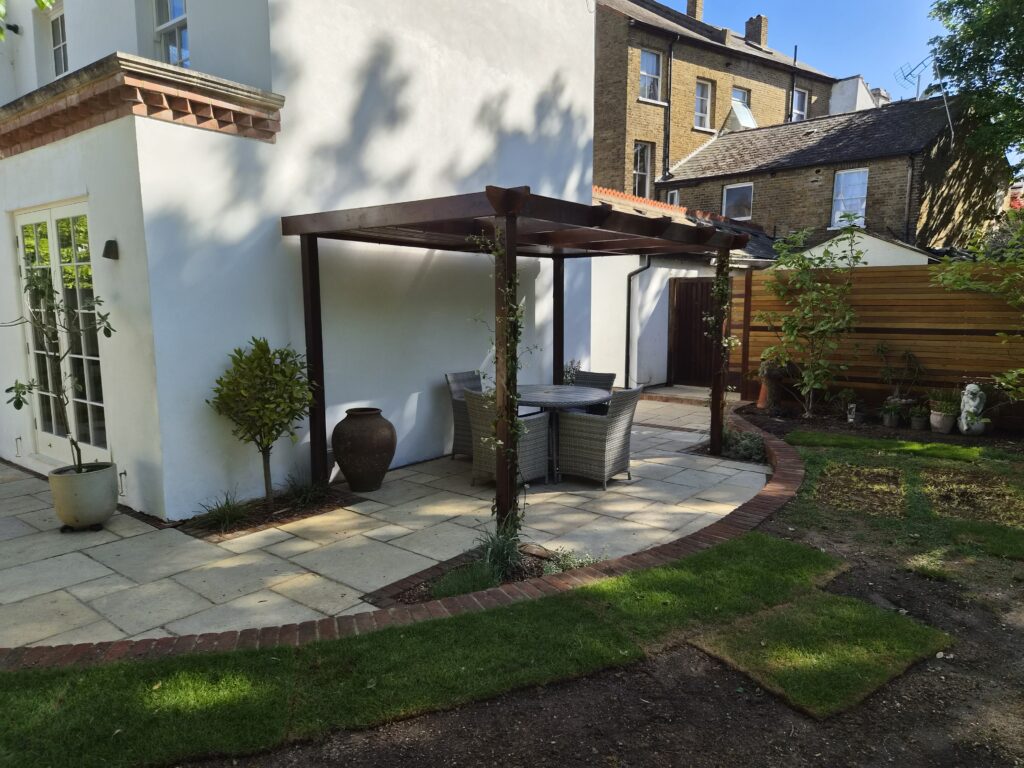
  • Pergolas for shaded outdoor living
  • Retaining walls and raised beds in matching materials
  • Stepping stones through lawn areas
  • Fire pits as a central focal point
  • Outdoor kitchens and dining zones

Natural stone pairs beautifully with timber structures, while porcelain slabs enhance modern aluminium or glass designs.

Irregular shapes in natural stone paving can create organic flow, while large format patio slabs provide clean symmetry for a modern contemporary look.

Understanding Paving Cost and Installation

When planning your patio paving, budget matters.

The paving cost typically depends on:

  • Type of paving materials
  • Installation methods
  • Preparation and drainage requirements
  • Price per square metre

While some options may seem more expensive upfront, materials like porcelain offer a cost effective alternative over time due to low maintenance and outstanding durability.

The best paving is not just about the lowest price. It is about long-term performance, safety including slip resistance, and achieving the look you truly want.

How to Clearly Articulate What You Want

When working with a garden company, clear communication ensures success.

Here’s how to explain your vision:

  1. Share how you plan to use the patio area, whether for entertaining, relaxing or dining.
  2. Bring inspiration photos.
  3. Discuss colour preferences such as light coloured or darker tones.
  4. Ask to see patio paving samples.
  5. Explain your maintenance expectations.
  6. Clarify whether this is a full garden paving redesign or just a standalone patio project.

A professional company should offer patio paving samples, discuss their extensive range of available stone options, and explain the pros and cons of each surface finish.

Why Taylored Gardens Should Be Your Number One Choice

When it comes to creating the perfect patio, Taylored Gardens stands out.

Here’s why:

  • We supply a full range of high-quality paving slabs, porcelain paving slabs, and premium natural stone paving.
  • We guide you through selecting the right stone for your patio and entertaining area with expert advice.
  • We offer patio paving samples so you can see and feel the material before committing.
  • We use proven installation methods, ensuring proper drainage and structural integrity.
  • Our materials are highly durable, frost resistant and built for UK weather conditions.
  • We offer competitive pricing without compromising on craftsmanship.
  • Every project is tailored to create a truly visually appealing outdoor space.

Whether you’re looking for natural limestone, Indian sandstone, rectified porcelain, or the best paving slabs for heavy foot traffic, we help you choose the right paving slabs for your lifestyle.

At Taylored Gardens, we don’t just install paving. We design beautiful, functional outdoor patios that enhance your entire garden space for years to come.
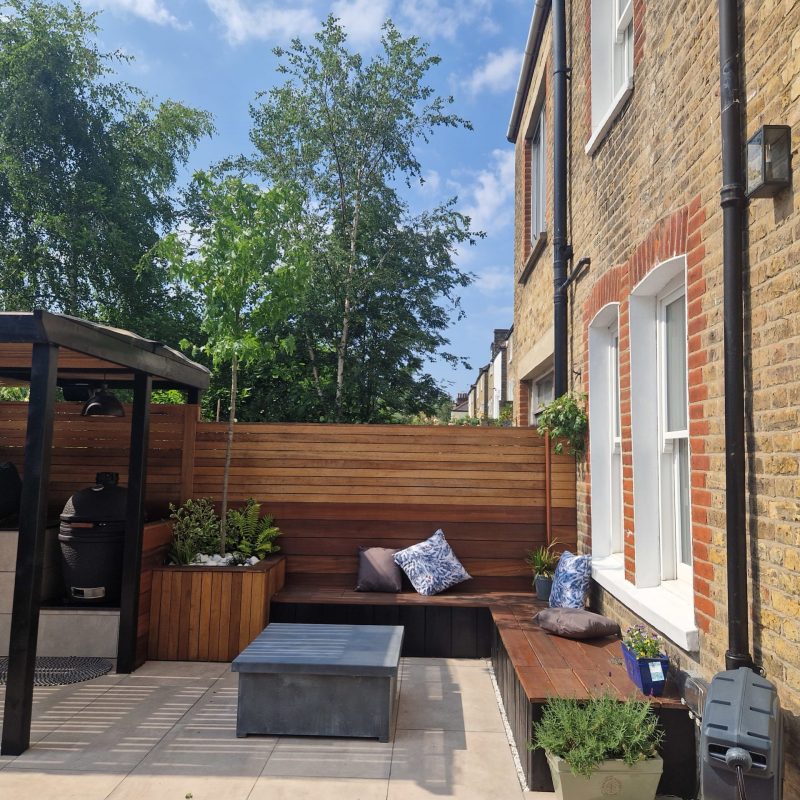
Follow us now

Follow us on Instagram for an endless stream of garden inspiration! From stunning before-and-after transformations to expert landscaping tips, our feed is blooming with ideas to help you create your perfect outdoor sanctuary.

View Our Instagram

Transform Your Outdoor Dreams into Reality!

Contact us to turn your garden into a stunning, sustainable outdoor living space with Taylored Gardens. Whether you have a small townhouse garden or a large rural estate, we can transform your space into a stunning outdoor living area. Contact us today to start planning your perfect garden. We look forward to bringing your vision to life. Contact us today to get an idea of the costs and start planning your perfect garden.

GET IN TOUCH

The Best Climbing Plant for Colour and Year-Round Interest

The Best Climbing Plant for Colour and Year-Round Interest

If you’re looking to transform your garden with vibrant colour and texture throughout the year, choosing the best climbing plant for colour and year-round interest is key. The right climbers don’t just provide seasonal blooms — they bring structure, scent, wildlife value, and stunning evergreen foliage even during the darkest days of winter.

In this guide, we’ll explore the best options, from evergreen climbers to dramatic seasonal varieties, and how to choose the perfect plant for your space.

Image: Acabashi, CC BY-SA 4.0

Types of Climbing Plants to Use

When selecting climbing plants, it’s important to consider aspect, soil, and structure. Here are some of the most evergreen climbers and standout performers for true year-round interest:

Evergreen Climbers for Structure & Foliage

  • Evergreen clematis, particularly clematis armandii, is a favourite among designers. It offers glossy foliage, beautiful white flowers in early spring, and a truly wonderful fragrance. It thrives in full sun or partial shade in well-drained soil.
  • Clematis cirrhosa and other cirrhosa varieties are excellent for late winter interest. Their delicate, often bell-shaped flowers appear when little else is blooming.
  • Star jasmine is one of our favourite evergreen climbers. With glossy green leaves and intensely scented flowers in early summer, it performs well in a sheltered spot away from cold winds.
  • Ivy is incredibly shade-tolerant, making it ideal for north-facing walls and other shady spots. It’s low maintenance, hardy, and provides shelter for birds and other pollinators.
  • Chocolate vine (Akebia) is a semi-evergreen option with unusual flowers and vigorous stems, a great choice if you want something a little different.

Seasonal Stars for Extra Colour

Not all climbers need to be evergreen to earn their place:

  • Winter jasmine brightens up the garden with cheerful yellow flowers during late winter and early spring.
  • Passion flower offers exotic blooms and glossy green leaves in summer. A wide variety of plants are fully hardy, though some are half-hardy.
  • Climbing hydrangea is brilliant for shade, particularly on a house wall, producing beautiful white flowers in late spring.
  • Potato vine is a fast-growing climber ideal for sunny walls, flowering freely during the growing season.
  • Boston ivy and Virginia creeper aren’t evergreen, but their fiery autumn colour is spectacular.

With so many plants available, combining evergreen climbing varieties with seasonal performers ensures colour year-round.

Choosing the Right Colours

When designing with climbers, consider how colour evolves from spring through late autumn.

  • White flowers (such as evergreen clematis and star jasmine) brighten darker areas and glow beautifully on north-facing walls.
  • Yellow flowers, like winter jasmine, lift the mood in late winter.
  • Deep purples and reds from clematis varieties create drama against dark green foliage.
  • Fiery reds from Boston ivy and Virginia creeper deliver incredible autumn impact.

Layering plants with different flowering times ensures your garden never feels dull — even in the depths of winter.

Structures That Suit Climbing Plants

Climbers need the right support to thrive. Consider where you want to grow them:

  • A wall or fence provides vertical space and warmth.
  • A house wall can radiate heat, helping less hardy plants survive.
  • Trellises attached to a fence are ideal for lightweight clematis.
  • Strong wires fixed to a wall support vigorous growers.
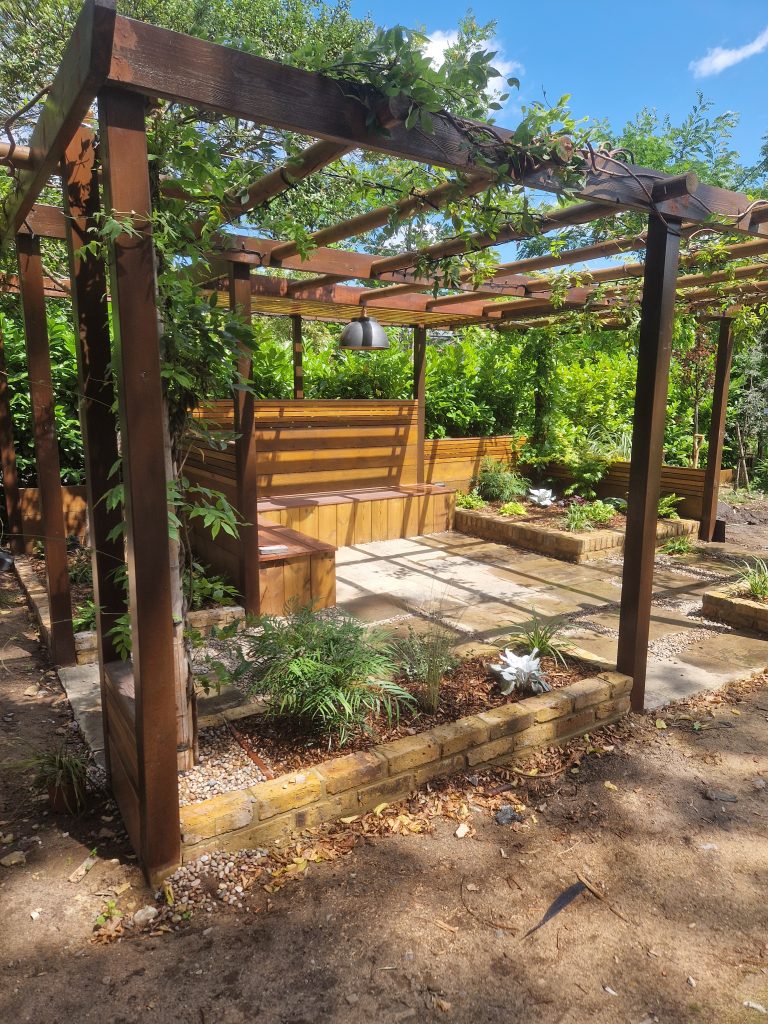
  • Pergolas and arches are perfect for weaving jasmine or passion flower stems through.

Always match the plant to the structure — some are self-clinging, while others need to be tied in during the first growing season.

Positioning, Care & Maintenance

To get the best from your climbers:

  • Ensure well-drained soil
  • Provide regular watering during dry spells
  • Protect sensitive varieties from cold winds
  • Choose a sheltered spot for less hardy plants
  • Plan for annual pruning to encourage healthy stems and abundant flowers

Most evergreen climbers are surprisingly low-maintenance once established. Many are hardy and cope well in UK conditions.

How to Articulate What You Want from Your Garden Company

Before approaching a landscaping specialist, think about:

  • Do you want year-round interest or a seasonal showstopper?
  • Is the area full sun, shade, or partial shade?
  • Is the goal privacy, wildlife support, or pure colour?
  • Do you want a fast-growing screen or something architectural?

Using phrases like “I’d love an evergreen climbing plant for my north-facing wall” or “I want scented flowers throughout the year” helps your garden designer recommend the perfect plants.

Be clear about maintenance expectations too — whether you prefer fully hardy, low-maintenance options or are happy to nurture more delicate varieties.

Why Taylored Gardens Should Be Your Number One Choice

When it comes to selecting and installing the best climbing plant for colour and year-round interest, experience matters.

Taylored Gardens understands:

  • Which plants thrive in Surrey’s climate
  • How to position evergreen climbers for maximum impact
  • How to combine many climbers for layered, all-season beauty
  • How to prepare soil properly during the growing season
  • How to design structures that perfectly support vigorous growers

Their expert team carefully considers sun, shade, aspect, and soil conditions to ensure your plants establish strongly from the first growing season onwards.

From evergreen clematis with glossy foliage to winter jasmine lighting up the darkest days, Taylored Gardens creates gardens that deliver colour, fragrance, and structure throughout the year.

If you’re ready to transform a bare wall or fence into something extraordinary, their knowledge, craftsmanship, and passion for plants make them the clear choice.

Final Thoughts

The best gardens don’t rely on summer alone. By combining evergreen foliage, scented flowers, vibrant autumn colour, and winter blooms, you can create a space that feels alive year-round.

Choose wisely, plan carefully, and let the right climbing plants turn your garden into something truly special.

Follow us now

Follow us on Instagram for an endless stream of garden inspiration! From stunning before-and-after transformations to expert landscaping tips, our feed is blooming with ideas to help you create your perfect outdoor sanctuary.

View Our Instagram

Transform Your Outdoor Dreams into Reality!

Contact us to turn your garden into a stunning, sustainable outdoor living space with Taylored Gardens. Whether you have a small townhouse garden or a large rural estate, we can transform your space into a stunning outdoor living area. Contact us today to start planning your perfect garden. We look forward to bringing your vision to life. Contact us today to get an idea of the costs and start planning your perfect garden.

GET IN TOUCH

How to Achieve the Perfect Courtyard Garden

How to Achieve the Perfect Courtyard Garden

Dreaming of your own beautiful courtyard garden? Whether you’re working with a small courtyard garden or a larger enclosed space, transforming it into a serene, stylish haven is totally achievable. In this blog, we’ll explore how to achieve the perfect courtyard garden, covering the best courtyard garden ideas, the types of plants, colours, structures, and how to communicate your vision to your garden designer—plus, why Taylored Gardens is your go-to choice for turning your ideas into reality.

Taylored Gardens

Types of Plants to Use in a Courtyard Garden

A successful courtyard garden begins with choosing the right plants for your space, light levels, and lifestyle. Whether you’re aiming for a lush green retreat or a low-maintenance modern space, your planting scheme should combine variety, structure, and year-round interest.

Here are some top plant picks:

  • Evergreen plants & evergreen shrubs: These provide structure and maintain greenery all year. Box, pittosporum, or bay trees in containers are great for small gardens.
  • Ornamental grasses: Perfect for adding texture and movement, especially in modern architecture-inspired designs.
  • White flowering plants & white flowers: Add brightness and help bounce light in shady or enclosed courtyards. Try climbing hydrangea, jasmine, or agapanthus.
  • Seasonal bedding plants: Bring bursts of colour throughout the year. These are ideal to rotate in raised beds or pots.
  • Vertical planting: Think trellises or green walls—ideal for making use of every inch of compact space.
  • Trees: Opt for small, ornamental varieties like olive, Japanese maple, or crab apple to add height and create interest.

The general rule? Choose a mix of evergreen, flowering, and textural plant varieties to bring structure, add depth, and ensure visual appeal throughout the seasons.

Types of Colours to Use in a Courtyard Garden

Colour can completely change how your courtyard garden feels—making it seem larger, lighter, or cosier.

  • Light neutrals: Whites, soft greys, and creams help create light and enhance small courtyard gardens.
  • Green-on-green: Layering different shades of green adds richness without overwhelming a small space.
  • Accent tones: Terracotta, charcoal, or navy can be used in outdoor furniture, pots, or painted boundary walls to add interest and complement your property’s interior.

In shady courtyard garden spaces, use white flowers, pale paving stones, and similar flooring to the interior to create a seamless transition between inside and out.

Structures That Fit the Scale of Your Courtyard Garden

Smart courtyard garden design involves choosing structures that are proportionate to the space and enhance functionality.

  • Raised beds: Great for defining areas and improving drainage in tight spaces.
  • Seating area: Opt for built-in benches or a corner sofa to maximise comfort without cluttering.
  • Fire pit or gentle water feature: These add cozy ambiance or tranquillity and can be the perfect focal points.
  • Feature wall or large mirror: Reflect light and add depth—excellent for small courtyard garden ideas.
  • Vertical interest: Trellises, wall planters, or climbers like climbing hydrangea make use of walls and create interest.
  • Outdoor lighting: Use fairy lights or soft spotlights to enhance your garden feel after dark.

Don’t forget about hard landscaping materials like stone, brick, or timber to define areas and add visual interest.

Articulating Your Vision to Your Garden Designer

Not sure how to express what you want? Here’s how to clearly communicate your dream courtyard to your garden company or creative director:

Collaborate: Taylored Gardens will help refine your vision, suggest planting schemes, and balance beauty with practicality.

Think about how you want to spend time in your garden: Is it a peaceful retreat? An outdoor living room? A dining space?

Define the vibe: Are you leaning toward low-maintenance, lush and tropical, classic and elegant, or minimalist and modern?

Note key must-haves: Whether it’s a fire pit, comfortable seating, a water feature, or specific plants, be clear on what matters to you.

Why Taylored Gardens Should Be Your Number One Choice

When it comes to creating the best courtyard garden ideas, no one does it better in Surrey than Taylored Gardens.

Here’s why:

  • Expertise in small space design: Specialising in courtyard gardens and small gardens, their team knows exactly how to make the space feel larger, lighter, and more luxurious.
  • Attention to detail: From choosing the best plants to selecting the perfect hard surfaces, they tailor every aspect to suit your home and lifestyle.
  • Seamless transitions: Taylored Gardens understands how to link your courtyard garden with your property’s interior, using visual links like similar flooring and design continuity.
  • Creative and collaborative: Their creative director works closely with you to bring your vision to life, no generic templates, just personal, beautiful spaces.
  • High-quality craftsmanship: Whether it’s bespoke outdoor furniture, precision hard landscaping, or planting for year-round beauty, the quality speaks for itself.
  • Trusted and local: With a strong reputation across Surrey and a portfolio full of beautiful courtyard garden transformations, Taylored Gardens is the clear choice for your next outdoor project.

Final Thoughts

Creating the perfect courtyard garden is all about thoughtful design, smart use of space, and choosing the right team to bring your dream to life. Whether you’re after low-maintenance elegance or a cosy, plant-filled outdoor living room, the right combination of plants, colours, and structures can transform any small courtyard into your personal sanctuary.

So if you’re ready to embrace the best courtyard garden ideas and turn your courtyard garden space into a stunning escape, get in touch with Taylored Gardens. Your dream garden is just a conversation away.

Follow us now

Follow us on Instagram for an endless stream of garden inspiration! From stunning before-and-after transformations to expert landscaping tips, our feed is blooming with ideas to help you create your perfect outdoor sanctuary.

View Our Instagram

Transform Your Outdoor Dreams into Reality!

Contact us to turn your garden into a stunning, sustainable outdoor living space with Taylored Gardens. Whether you have a small townhouse garden or a large rural estate, we can transform your space into a stunning outdoor living area. Contact us today to start planning your perfect garden. We look forward to bringing your vision to life. Contact us today to get an idea of the costs and start planning your perfect garden.

GET IN TOUCH

Hot Colours and Garden Trends in 2026

Hot Colours and Garden Trends in 2026

As we step into the year ahead, hot colours and garden trends in 2026 are shaping how we think about our outdoor spaces. With changing weather patterns, a desire for climate resilience, and more homeowners seeking beauty with minimal effort, the focus is on natural materials, smart solutions, and planting schemes that blend function with visual charm.

Whether you’re updating a small space, reimagining a window box, or planning a full garden design makeover, now is the perfect time to get inspired by the trends for 2026. Here’s how to embrace the moment and make your garden thrive all year round.

Taylored Gardens

What to Grow in 2026

Plants are still the heart of any garden, and in 2026, they play a key role in creating a sense of nature and sanctuary. Expect to see a rise in:

  • Architectural plants that bring height, structure, and instant impact
  • Fragrant plants like lavender, jasmine, and herbs that delight the senses
  • Native plants that support wildlife and require less water or care
  • Drought-tolerant varieties that thrive through drier summers
  • Edible gardens that let you grow your own produce right at home

Even in smaller gardens or small spaces, container gardening, window boxes, and planters are great ways to create lush, layered planting schemes that feel alive and look stunning.

Garden Colour Trends of 2026

Colour is making a strong return in garden design. The garden colour trends of 2026 are all about creating emotion and impact through carefully chosen colour palettes.

Expect to see:

  • Dusky pinks, warm terracottas, and burnt oranges stealing the spotlight
  • Neutral tones such as greys, beiges, and soft whites for timeless elegance
  • Bright accents inspired by interiors for a seamless transition from indoors to outdoors

These colour choices extend beyond flowers—think about colourful pots, outdoor cushions, soft lighting, and accessories that tie everything together.

Structures That Match Your Space

Not everyone has a large garden, but every outdoor space has potential when scaled thoughtfully. Structures are playing a major role in defining zones, adding character, and improving function.

  • Natural stone patios and pathways bring texture and blend beautifully with planting
  • Pergolas, arbours, and trellises create vertical interest and offer shade
  • Comfortable seating areas are a must for relaxing and entertaining
  • Clean lines in decking, furniture, and planters give a modern edge
  • Water features bring movement, cooling benefits, and sound

Garden features like these don’t just look good—they enhance usability and make your space more enjoyable year-round.

Communicating Your Garden Vision

One of the most important parts of any successful garden transformation is being able to explain what you want clearly. Here’s how to do it:

  • Gather inspiration: Use social media, garden magazines, or even your own photos to communicate ideas
  • Be specific: Share your goals—do you want to grow herbs, reduce maintenance, attract wildlife, or entertain guests?
  • Think about weather patterns: Is your garden shady, sunny, dry, or exposed? That affects everything from soil to planting
  • Prioritise: Decide what matters most—smart technology, beauty, ease of upkeep, or sustainable materials
  • Be open: A good garden designer can help translate your vision into a practical, long-lasting design

The clearer your ideas, the easier it is for your garden company to bring them to life.

Why Taylored Gardens Should Be Your First Choice

When it comes to bringing garden dreams to life, Taylored Gardens stands out in Surrey and beyond. Here’s why they’re a cut above the rest:

  • Deep knowledge of garden trends and design choices, including the latest from 2026
  • A tailored approach to every project, from compact courtyards to expansive landscapes
  • Expertise in smart irrigation systems and drought-tolerant planting for climate resilience
  • Use of natural materials like stone and wood for timeless outdoor spaces
  • A focus on quality, detail, and customer satisfaction from start to finish

Taylored Gardens doesn’t just design gardens—they create spaces that feel personal, stylish, and beautifully connected to nature.

Final Thoughts on Garden Design

Designing a small to medium garden space doesn’t mean limiting your imagination. With clever planning, the right plants, a thoughtful planting scheme, and stunning structural planting, you can turn any small outdoor space into a lush sanctuary or a vibrant entertainment zone. From window boxes to living walls, stepping stones to raised beds, your garden can become a reflection of your style and a space you’ll love for years to come.
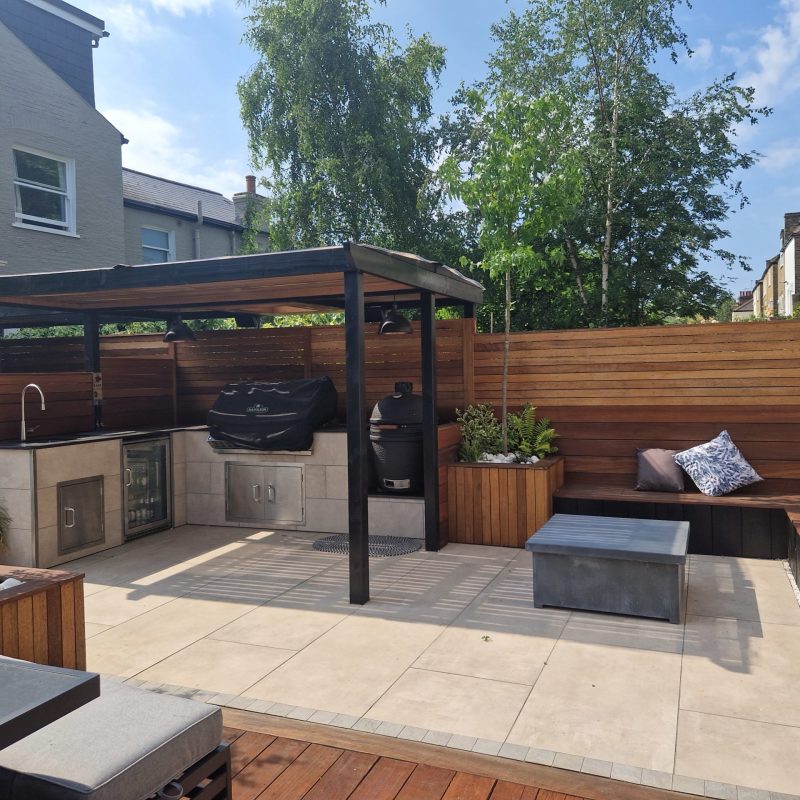
And when you’re ready to bring those garden ideas to life, Taylored Gardens is ready to help you create something truly special.

Follow us now

Follow us on Instagram for an endless stream of garden inspiration! From stunning before-and-after transformations to expert landscaping tips, our feed is blooming with ideas to help you create your perfect outdoor sanctuary.

View Our Instagram

Transform Your Outdoor Dreams into Reality!

Contact us to turn your garden into a stunning, sustainable outdoor living space with Taylored Gardens. Whether you have a small townhouse garden or a large rural estate, we can transform your space into a stunning outdoor living area. Contact us today to start planning your perfect garden. We look forward to bringing your vision to life. Contact us today to get an idea of the costs and start planning your perfect garden.

GET IN TOUCH

The Best Ideas to Consider When Designing a Small to Medium Garden Space

The Best Ideas to Consider When Designing a Small to Medium Garden Space

Designing a small to medium garden space can be a truly rewarding experience. Whether you’re working with a small garden, a medium-sized garden, or somewhere in between, there are many medium-sized garden ideas—creative and practical concepts tailored for moderate-sized gardens—that can help you maximise space and style. Unlike the challenges of landscaping a large space, where zoning and creating multiple functional areas are key, small and medium gardens require a more focused approach to make the most of every inch. With clever use of space, colour, and structure, even the most compact spaces can be transformed into stunning outdoor living areas.

In this blog, we’ll explore some of the best ideas to consider when designing a small to medium garden space, including plant choices, colour schemes, structural planning, and how to communicate your vision to a garden designer. Plus, we’ll explain why Taylored Gardens is the best choice for bringing your garden dreams to life.

Taylored Gardens

Choosing the Right Plants

Selecting the right plants is one of the most important decisions in garden design, especially when dealing with limited square footage.

  • Opt for compact, multi-seasonal plants that provide interest throughout the year.
  • Use containers and raised beds to add structure and flexibility.
  • Incorporate vertical gardening techniques, such as trellises, wall planters, and living walls. A living wall is a vertical planting feature that transforms a plain wall or fence into a lush, green, decorative element. It creates a striking visual impact and is ideal for maximising space in small gardens or patios. You can use a variety of plants for a living wall, including ferns, succulents, herbs, and flowering perennials. Practical installation options include modular panels, pocket planters, or custom-built frames, allowing you to tailor the design to your space and style.
  • Choose climbing plants and vines to cover fences or pergolas. Planting climbing plants on walls and fences is an excellent way to maximise vertical space in small gardens.
  • Select dwarf or columnar trees for height without overwhelming the area.

Top Planting Tips and Small Garden Ideas for Smaller Spaces:

  • Climbing plants and climbing vines: Perfect for utilising vertical space. Think jasmine, clematis, or honeysuckle to add natural beauty and fragrance.
  • Potted plants and plant pots: Great for flexibility and can be moved as needed. Use various heights and textures for visual interest.
  • Low-growing plants and small plants: Ideal for raised beds, flower beds, and planting areas in compact spaces.
  • Evergreen plants and large shrubs: Provide year-round structure and greenery for low-maintenance gardening.
  • Tall trees and small trees: Choose varieties like Japanese maple or ornamental olive trees to give height without overwhelming the space.
  • Leafy plants and herbaceous perennials: Create layers and add softness to stone walls and paving stones.
  • Hanging baskets, window boxes, and living walls: Excellent solutions for adding colour and life to a small outdoor space without sacrificing floor space.

Using the Right Colours

The right colour palette can make a small space feel larger and more welcoming.

  • Light colours: Whites, creams, and soft pastels can brighten a small garden space and reflect morning coffee or evening sun beautifully.
  • Warm colours: Oranges, reds, and golds add vibrancy and a cosy garden feel, especially around a seating area or fire pit.
  • Chic features: Add pops of bold colour through cushions, planters, or a painted garden feature wall to bring energy and style.
  • Repetition of tones: Group plants, plant pots, and raised planters can bring cohesion and structure to your planting scheme.

Structuring Your Space to Scale with a Focal Point

When designing a small garden or medium-sized garden, scale is everything. You want to maximise floor space without overcrowding.

  • Outdoor mirror: Strategically placed, it reflects light and space, making a small space feel larger.
  • Focal point: Every garden needs a visual anchor – a water feature, a sculptural coffee table, or even a sunken garden can take centre stage. Creating focal points in a small garden can distract the eye from its size and add depth and visual interest.
  • Outdoor kitchen or fire pit: These features can transform your back garden into a multi-functional outdoor living area.
  • Furniture: Use wicker furniture to add casual luxury, comfort, and a relaxed ambience, or opt for foldable seating to create an inviting seating area without cluttering the space.
  • Paving: Curved and diagonal paving, as well as the use of curves and circles in your design, can create the illusion of a larger and deeper garden space.
  • Zoning: In a sprawling garden or large garden, consider zoning different areas with structural planting, stone walls, or large stones to give purpose to each section.

How to Communicate Your Garden Vision

To make your vision a reality, it’s essential to clearly express what you want your garden designer to achieve.

Here’s how to articulate your goals:

  • Describe how you want to use the space: Do you want a seating area for relaxing? A spot for entertaining? A play area? A quiet reading nook for morning coffee?
  • Explain your maintenance expectations: Do you prefer low-maintenance gardening or are you happy to spend time tending to an abundant garden?
  • Note the sun exposure: Is the garden shaded, or does it get a lot of evening sun? This will influence your planting scheme.
  • Talk through colours and style: Do you lean more toward modern minimalism or rustic charm?
  • Point out existing challenges: Whether it’s an overgrown garden, awkward shape, or limited square footage, a good designer will work with what you have.

Being clear and open helps your garden designer create a space that truly reflects your personality and lifestyle.

Why Taylored Gardens Should Be Your First Choice

When it comes to medium-sized garden design or transforming a small garden, Taylored Gardens is simply unmatched. Here’s why:

  • Bespoke design approach: Every garden is treated as a unique canvas. Whether you need the best small garden ideas or inspiration for a medium-sized garden, they tailor everything to your lifestyle.
  • Expert plant knowledge: They know exactly how to group small trees, low-growing plants, and climbing plants to suit your soil, sun exposure, and preferences.
  • Creative use of space: Taylored Gardens specialises in smart solutions for limited square footage, ensuring even the smallest garden feels open and functional.
  • Attention to detail: From perfectly placed plant pots to harmonious layered planting, their work reflects a deep understanding of both interior design and garden design principles.
  • Local reputation: Known for transforming everything from neglected, overgrown gardens to polished outdoor spaces, Taylored Gardens has become the trusted name for quality and creativity in garden makeovers.

Final Thoughts on Garden Design

Designing a small to medium garden space doesn’t mean limiting your imagination. With clever planning, the right plants, a thoughtful planting scheme, and stunning structural planting, you can turn any small outdoor space into a lush sanctuary or a vibrant entertainment zone. From window boxes to living walls, stepping stones to raised beds, your garden can become a reflection of your style and a space you’ll love for years to come.
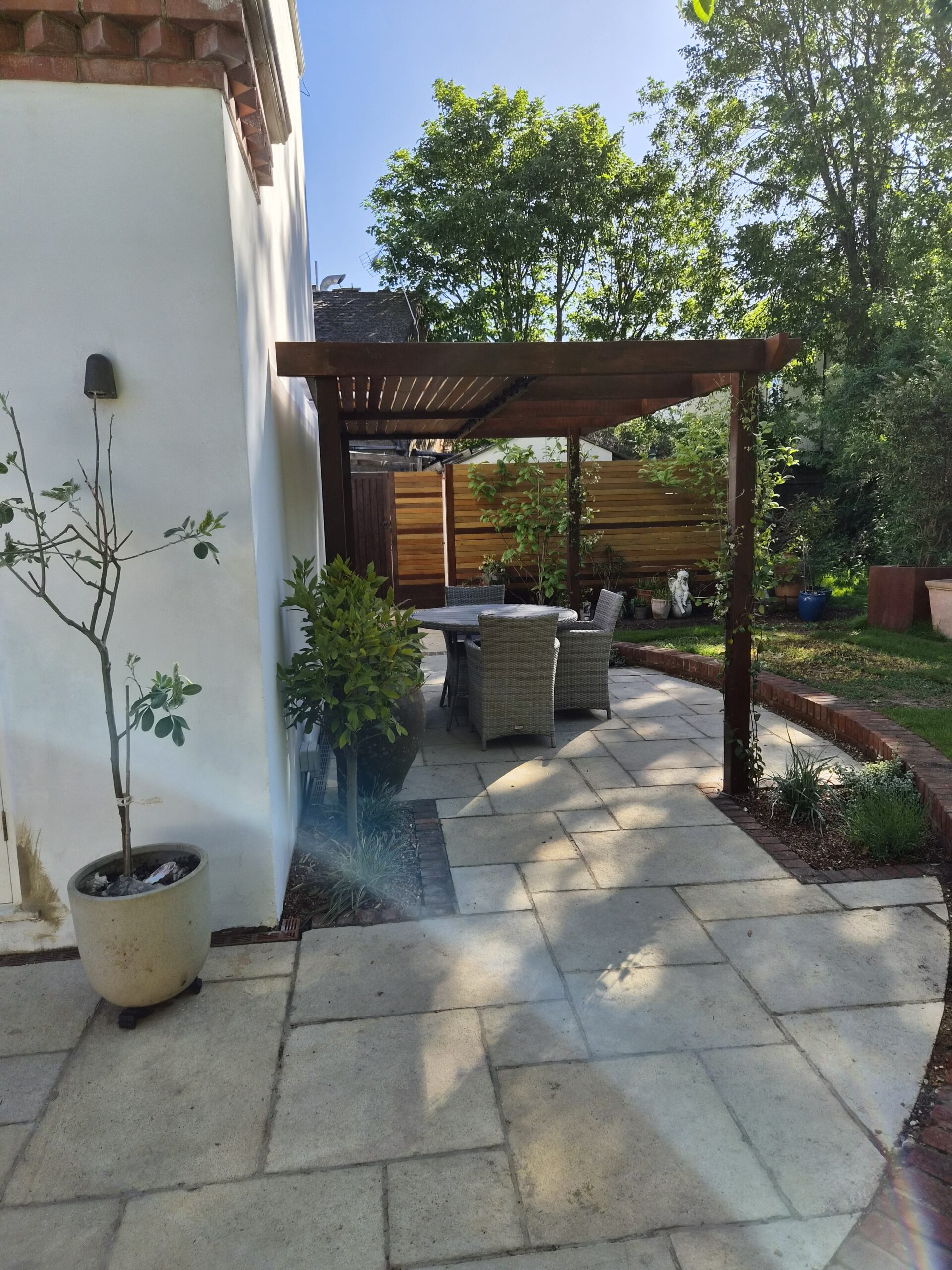
And when you’re ready to bring those garden ideas to life, Taylored Gardens is ready to help you create something truly special.

Follow us now

Follow us on Instagram for an endless stream of garden inspiration! From stunning before-and-after transformations to expert landscaping tips, our feed is blooming with ideas to help you create your perfect outdoor sanctuary.

View Our Instagram

Transform Your Outdoor Dreams into Reality!

Contact us to turn your garden into a stunning, sustainable outdoor living space with Taylored Gardens. Whether you have a small townhouse garden or a large rural estate, we can transform your space into a stunning outdoor living area. Contact us today to start planning your perfect garden. We look forward to bringing your vision to life. Contact us today to get an idea of the costs and start planning your perfect garden.

GET IN TOUCH

Designing a Garden That Grows With Your Family: Creating a Space for All Ages

Designing a Garden That Grows With Your Family: Creating a Space for All Ages

When you’re designing a garden that grows with your family, you’re not just creating an outdoor space — you’re crafting a living, evolving environment that nurtures imagination, play, connection, and memories for years to come. The garden should complement the house, with functional zones near the house for supervision and relaxation, while creating separate areas further away for play and exploration. Whether you’re starting fresh or adapting an existing garden to suit a young family, the goal is to create a family-friendly garden that suits all ages — from toddlers exploring nature for the first time, to teenagers needing a place to relax, and even adults wanting to unwind with friends.
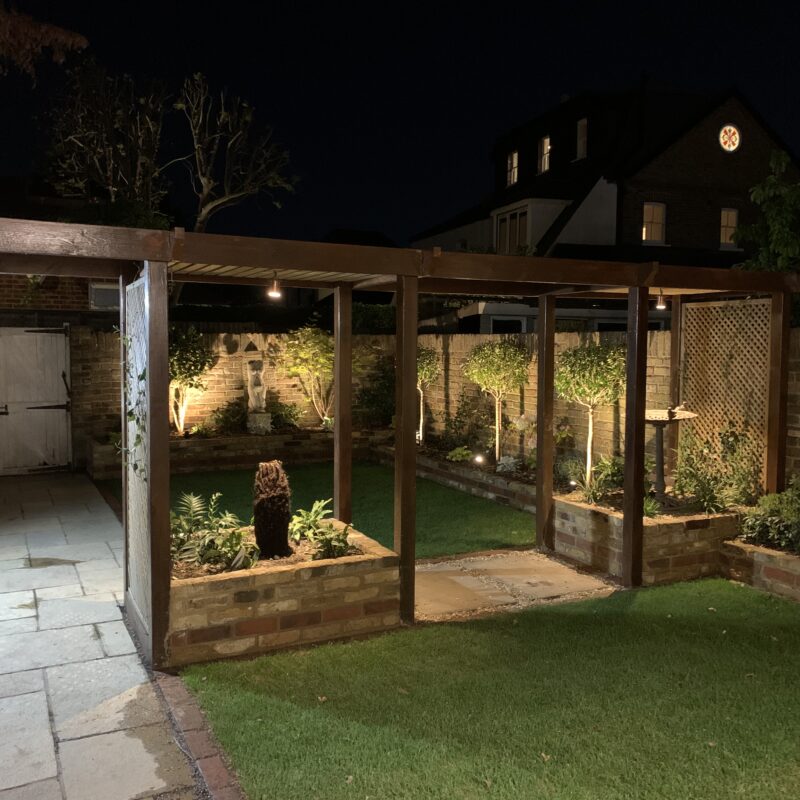
Dividing the garden into distinct “rooms” or zones allows each area to serve a specific purpose and makes it easier to repurpose spaces as your family’s needs change over time.

In this blog, we’ll explore how to plan a family garden that adapts as your family grows, with practical tips on plant choices, colour palettes, safety, communication with your garden design team, and why Taylored Gardens is the number one choice for families across Surrey. Future-proofing your garden for 2025 is key—design a landscape that evolves as your children grow.

Planting for the Future: Choosing the Right Plants

When planning a child-friendly garden, the types of plants you choose matter. You want to encourage young people to explore and interact with the natural environment, while also ensuring safety and longevity.

Here are a few planting tips:

  • Raised beds are perfect for little hands to help with gardening, giving them ownership of their own mini garden. For example, planting strawberries or cherry tomatoes in raised beds can make it easy and fun for children to harvest their own snacks.
  • Choose soft, non-toxic, sensory-rich plants like lavender, thyme, and grasses to engage the senses. Sensory garden elements, such as lamb’s ear for touch, mint for smell, and edible herbs for taste, help engage children through multiple senses.
  • Include trees and shrubs that grow slowly and won’t overshadow the space too soon.
  • Opt for plants that attract bees and butterflies to support local wildlife and teach kids about nature.
  • Incorporate hardy perennials and evergreens that withstand messy play and unpredictable weather.
  • For play areas, choose resilient grass like perennial ryegrass, which can handle heavy foot traffic and recover quickly.
  • Growing food in the garden, such as carrots or peas, helps children learn about where food comes from and encourages healthy eating habits from a young age.

A nature garden is not only beautiful — it becomes a space to explore, learn and grow.

Using Colour to Support Growth and Play

Colour has a big impact on how children and adults feel in a space. In a family-friendly garden, creative ideas for using colour can help mark out different areas and subtly guide imaginative play.

  • Use natural, calming tones like greens, soft blues, and earthy browns in quiet zones for reading or relaxing.
  • Brighter colours like yellows, oranges, and reds can highlight a play area and equipment zones, inviting energy and fun.
  • Choose colourful flowering plants that change throughout the seasons, showing children how the garden evolves over time — just like them.
  • Consider painting low walls, raised beds, or shed doors in fun, bold colours to add creative flair.

Children love to run, trip, roll, and generally treat lawns like assault courses, so it’s important to use durable surfaces in these areas.

The right colour choices help your garden feel playful without overwhelming the natural environment.

Creating a Safe Garden for All Ages

Safety is crucial when creating a child-friendly garden, especially for families with young children. Here’s how to build a safe yet exciting outdoor space:

  • Use bark chippings, artificial grass, or soft lawn under play equipment to cushion falls. Soft, impact-absorbing surfaces in play zones also make it easy to convert these areas to other uses as children grow.
  • Add a low hedge or low wall to define zones for safety and containment—these features act as discreet, child-friendly barriers that keep children within safe areas, prevent escapes, and enhance the garden’s look without blocking views. Zoning with a low hedge or low wall also helps keep toys in the play area and plants standing proud in borders. Zoning helps define spaces for play and relaxation, making it easier to supervise children, and encourages spending time in different ways, such as playing, relaxing, or exploring.
  • Ensure safety sightlines by designing play zones to be visible from adult seating areas, so you can supervise children easily.
  • Avoid thorny or toxic plants and always double-check plant safety with your landscape architects.
  • Include raised beds to separate plants from plastic toys or areas of messy play.
  • Encourage den building, mud kitchens, and climbing frames, but ensure they’re securely installed and age-appropriate.
  • Install bird feeders and bug hotels at safe heights to encourage children to interact with nature.

A well-thought-out garden design balances safety with freedom, helping kids play, learn, and grow confidently. Creating a garden that is safe and enjoyable for children of all ages is easier than you might think.

How to Communicate Your Vision with a Garden Company

Designing a family garden is a co-designed, collaborative process between you and your garden company. The best results come when you clearly articulate your needs and aspirations to your garden design team.

Here’s how to do it effectively:

  • Think about how your family uses the space now, and how it may need to adapt in the future.
  • Make a list of essential features — like a mud kitchen, wendy houses, or space for adults to relax.
  • Share an example or photos (think Chelsea Flower Show-style inspiration!) to spark conversation.
  • Be honest about your budget and your time for maintenance.
  • Discuss practicalities: access, drainage, hard landscaping, and storage (shed, bins, bikes).

Effective strategies for designing an adaptable garden focus on zoning multi-purpose spaces and incorporating modular, movable elements that can be repurposed as your family’s needs evolve.

When you’re co-designing your space with experienced landscape architects, clear communication ensures they can deliver a garden that works for the whole family — not just for today, but for years to come.
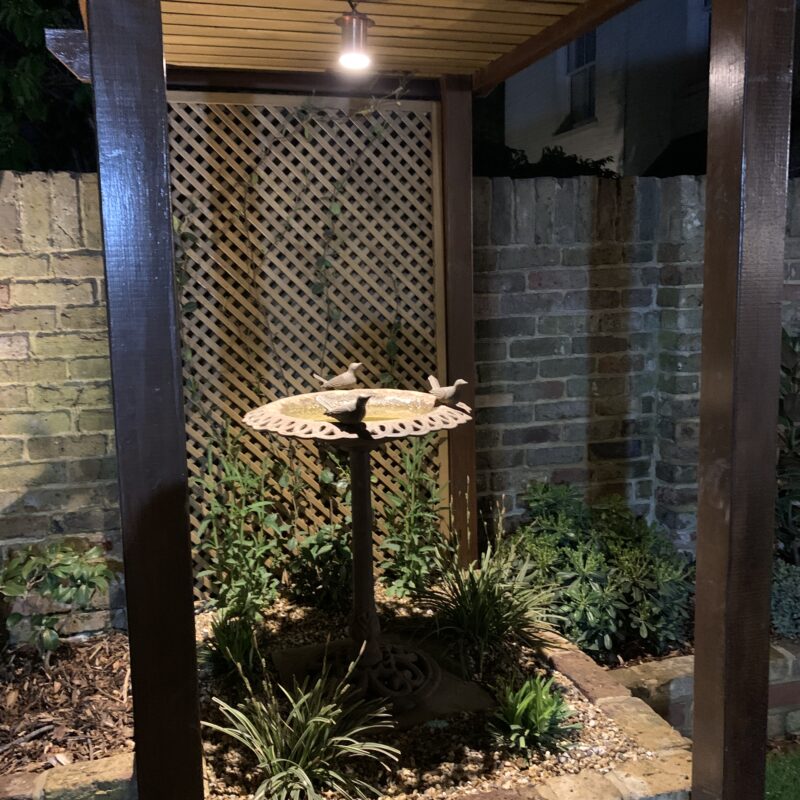
Why Taylored Gardens is the Best Choice for Family Gardens in Surrey

When it comes to designing a family-friendly garden, Taylored Gardens offers the best advice, expert craftsmanship, and thoughtful garden design tailored to your family’s lifestyle. Here’s why they stand out:

  • Experience in Co-Design: Taylored Gardens takes the time to co-design your garden with you. They listen carefully to your vision, consider the needs of both you and your young family, and bring it to life with creativity and precision.
  • Child-Centric Design: They specialise in designing child-friendly outdoor spaces, using safe, sustainable materials and age-appropriate features like climbing frames, play areas, and individual spaces for all ages.
  • Inspiration from the Best: Inspired by leading designers like Adam White and shows like Chelsea Flower, Taylored Gardens blends award-winning design with real-world functionality.
  • Natural Meets Practical: Their gardens encourage imaginative play and interaction with the natural environment while incorporating low-maintenance options like artificial grass and cleverly designed beds and ground coverings.
  • Adaptable Solutions: Taylored Gardens excels at creating one space that seamlessly balances practicality, safety, and playfulness, with adaptable, layered, and multifunctional zones. They invest in modular raised beds that can be reconfigured as your gardening interests evolve. Children’s play areas are designed to be converted into vegetable patches or relaxation spots as they outgrow equipment. Modular structures, such as movable seating, can be easily reconfigured as children’s interests change. Features like sandpits can be adapted over time to become raised beds, ensuring your garden grows with your family. Their designs also invite exploration and include elements like bird feeders to engage children year-round. Whether you have a large garden or a small area, Taylored Gardens knows how to make the most of your space, creating a haven that children grow into and adults enjoy every day.

Final Thoughts

Designing a garden that grows with your family is a rewarding investment in your home and your children’s future. From early years messy play to teenage hangouts and quiet outdoor dinners, the right garden design adapts to your changing needs.

With the right plants, colours, equipment, and expert support from a team like Taylored Gardens, your family-friendly garden will be a space to play, connect, and grow — together.

If you’re ready to create a garden that’s beautiful, functional, and full of joy, Taylored Gardens is here to help you plan, create, and adapt the perfect space — one that works for the whole family, now and in the future.

Follow us now

Follow us on Instagram for an endless stream of garden inspiration! From stunning before-and-after transformations to expert landscaping tips, our feed is blooming with ideas to help you create your perfect outdoor sanctuary.

View Our Instagram

Transform Your Outdoor Dreams into Reality!

Contact us to turn your garden into a stunning, sustainable outdoor living space with Taylored Gardens. Whether you have a small townhouse garden or a large rural estate, we can transform your space into a stunning outdoor living area. Contact us today to start planning your perfect garden. We look forward to bringing your vision to life. Contact us today to get an idea of the costs and start planning your perfect garden.

GET IN TOUCH

How to Make an Experience Garden with Lots of Features

How to Make an Experience Garden with Lots of Features

Introduction to Garden Design

  • Start by assessing your outdoor space and determining the style you want to achieve with your garden design. Observe how the sun moves across your garden throughout the day to optimise the placement of plants, seating, and other features. Mapping sun exposure and identifying shaded areas will help you create comfortable and functional spaces.
  • Consider the natural world and how you can incorporate elements that attract wildlife and promote well-being. For example, adding a shaded area with a pergola or gazebo can provide shelter from the sun and create a relaxing spot for outdoor dining or entertaining.
  • Think about the endless possibilities for transforming your back garden into various functional spaces, such as a Mediterranean retreat, outdoor bar, or cosy reading nook. Creating distinct spaces will improve flow, functionality, and the overall aesthetic appeal of your garden.
  • Look for inspiration online or in gardening books to get creative ideas for your garden.

Assessing Your Space

Before you dive into garden design, take time to thoroughly assess your outdoor space. Start by observing the size and shape of your garden, noting how much sunlight and shade different areas receive throughout the day. This will help you decide where to place key garden features, such as water features, a fire pit, or a cosy seating area. Look at existing elements like trees, shrubs, or any established water feature, and think about how you can incorporate them into your new design to create a harmonious look.

Measuring your garden and sketching out the space can be incredibly helpful for visualising your ideas. Consider how people will move through your garden—creating pathways and zones can help guide the flow of traffic and make the space feel more inviting. Think about the different zones you might want, such as a shaded seating area for relaxing, a sunny spot for planting, or a play area for children. As you plan, consider the types of plants that will thrive in each area, and how you can use them to add colour, texture, and interest. Don’t forget to factor in garden ornaments or features like a fire pit or water feature to enhance the overall atmosphere. Careful assessment at this stage will set the foundation for a garden that is both beautiful and functional.

Budgeting and Planning

A successful garden starts with smart budgeting and thoughtful planning. Begin by deciding how much you want to invest in your garden design, and prioritize your spending based on what matters most to you—whether that’s a stunning water feature, unique garden features, or a lush variety of plants. Research the costs of different elements, from garden lighting and statues to the plants and materials you’ll need for planting and building.

Sketch out your garden’s design, including the zones and features you want to include, and make a list of all the materials and supplies required. Don’t forget to factor in the cost of hiring professionals if you need help with installation or design. It’s also important to consider ongoing maintenance costs, such as watering, pruning, and fertilising, to keep your garden looking its best year-round. Investing in quality materials and well-chosen plants can pay off in the long run, potentially increasing your property’s value and reducing the need for frequent replacements. With careful budgeting and planning, you can create a garden that fits your vision and your budget, ensuring a beautiful and functional outdoor space for years to come.
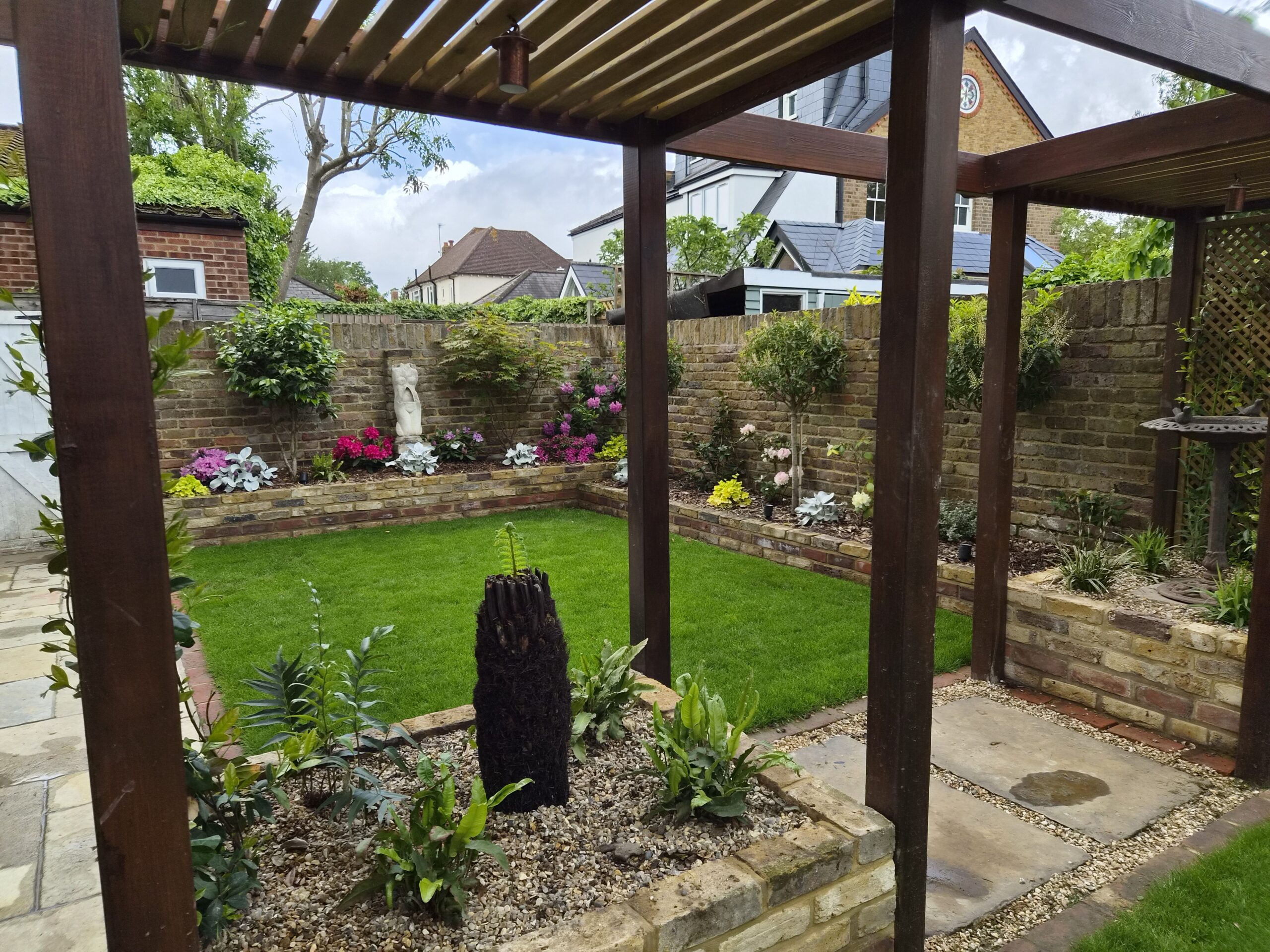
Garden Style and Theme

Choosing a garden style and theme is a chance to express your personality and complement your home’s architecture. Whether you’re drawn to the relaxed charm of a cottage garden, the clean lines of modern gardens, or a more traditional look, your choice will guide every aspect of your garden’s design. Think about the types of plants and flowers that will best suit your chosen style—lush, informal planting for a cottage garden, or structured, minimal arrangements for a modern space.

Enhance your theme with carefully selected garden features, such as a tranquil water feature or a striking statue, and use a consistent colour scheme to tie everything together. Consider the textures and materials you want to incorporate, from natural stone and wood to sleek metal accents. Lighting also plays a key role; string lights or solar-powered lanterns can add a magical touch to any style. Don’t forget about garden furniture—choose pieces that fit your theme, whether it’s a rustic seating area or a contemporary dining table. By thoughtfully selecting your garden’s style and theme, you’ll create a cohesive outdoor area that’s perfect for relaxing, entertaining, and enjoying the beauty of your own garden.

Planning Your Garden Layout

  • Begin by creating a rough sketch of your garden’s design, including the location of existing features like trees and shrubs, and consider how to enhance the garden’s design for maximum visual appeal.
  • Decide on the overall theme and style of your garden, such as a cottage garden or modern garden.
  • Consider the flow of traffic through your garden and create a clear path using paving stones or stepping stones to boost visual appeal.
  • Think about how you can create zones in your garden, such as a seating area or dining table, to enhance the overall garden feel.

Layout strategies may differ for a small garden versus a large garden, but both can be optimised for functionality and visual appeal through thoughtful garden design.

Creating a Garden Path

  • Choose a material for your garden path that complements your garden’s design, such as gravel or brick.
  • Consider adding fairy lights or other decorative elements to your garden path to add visual interest and interest to the space.
  • Use garden paths to guide visitors through your garden, create a sense of discovery, and lead to focal points within the garden.
  • Incorporate low-growing plants or hanging baskets along your garden path to add colour and texture; these elements can serve as attractive features in their own right.

Selecting Garden Furniture

  • Select garden furniture that is comfortable and durable, and that fits with your overall garden design. A well-designed patio can serve as a central feature for social gatherings and relaxation.
  • Consider the style and material of your furniture, such as wicker or metal, and how it will withstand the elements.
  • Think about the functionality of your furniture, such as whether you need a dining table or a seating area. The right furniture can help you entertain friends in your garden.
  • Look for furniture that is low maintenance and easy to clean, such as furniture with cushions that can be removed and washed. Comfortable furniture encourages you to relax and enjoy your outdoor space.

Adding Garden Features

Use garden features, such as a fire pit or seating area, to create a focal point in your garden and draw visitors in.

Consider adding a garden feature, such as a pond or fountain, which creates a peaceful and calming atmosphere. Including water lilies in your pond can enhance the beauty and attract wildlife.

Raised planters and raised beds are excellent for organised, low-maintenance gardening, especially in small or urban gardens. Raised beds can be a game changer for accessibility and comfort, making gardening easier for everyone.

Incorporate bedding plants for seasonal colour and visual appeal, and group plants together in large pots or raised planters for a striking display and easier care.

Protect delicate plants by using pathways or hedges, and use arches or arbours to support climbing plants like wisteria or jasmine, adding height and structure.

Choose features that require minimal effort to maintain, such as simple lighting or structural elements, for quick and lasting impact.

When selecting a new plant, consider a variety of colours to enhance your garden’s aesthetics and create vibrant contrasts.

If you have a sprawling garden, zone different areas with features like a lawn, entertainment spaces, or vegetable patches for a functional and visually pleasing layout.

Adding a garden bar or outdoor kitchen can have a positive impact on your well-being and enjoyment of the space.

Fire Pit and Seating Area

Adding a fire pit and seating area can transform your garden into a warm and welcoming retreat, perfect for entertaining friends or relaxing on cool summer evenings. Start by choosing the ideal location—somewhere that feels inviting and safe, with enough space for comfortable seating around the fire pit. Materials like stone, brick, or metal can be used to create a fire pit that suits your garden’s design and adds a striking focal point.

When planning your seating area, think about the types of furniture that will best suit your needs, from benches and chairs to a cosy outdoor sofa. Enhance the comfort and style with cushions, throws, or an outdoor rug, and consider adding garden lighting such as string lights or lanterns to create a magical atmosphere after dark. A fire pit isn’t just for warmth—it’s a gathering spot for roasting marshmallows, sharing stories, or simply unwinding at the end of the day. Make sure to include safety features like a fire screen or spark guard, and factor in the cost of fuel and maintenance to keep your fire pit in top condition. With a thoughtfully designed fire pit and seating area, your garden will become the go-to space for memorable moments all year round.

Installing Garden Lighting

  • Consider the overall effect you want to achieve with your garden lighting, such as creating a warm and welcoming ambience.
  • Choose lights that are energy efficient and easy to install, such as solar-powered lights.
  • Think about the placement of your lights, such as along garden paths or around seating areas.
  • Use lights to highlight specific features, such as a water feature or statue, and create a sense of drama.

Designing a Living Wall

  • Decide on the location and design of your living wall, considering factors such as sunlight and shade.
  • Living walls are an excellent way to maximise greenery in a small space.
  • Choose plants that are well-suited to a living wall, such as succulents or ferns.
  • Consider the maintenance requirements of your living wall, such as watering and pruning.
  • Think about the overall effect you want to achieve with your living wall, such as creating a sense of height or adding visual interest.

Creating a Focal Point

  • Decide on the location and design of your focal point, considering factors such as sunlight and shade.
  • Choose a feature that is visually striking, such as a statue or water feature.
  • Think about the overall effect you want to achieve with your focal point, such as creating a sense of drama or drawing visitors in.
  • Use plants and other decorative elements to enhance your focal point and create a sense of depth.

Utilising Garden Features

  • Consider how you can use your garden features to enhance your outdoor living experience, such as hosting dinner parties or relaxing in a peaceful atmosphere.
  • Think about how you can incorporate your garden features into your daily routine, such as enjoying a cup of coffee in a seating area.
  • Use your garden features to create a sense of connection to nature and promote well-being.
  • Incorporate elements that attract wildlife, such as bird feeders or plants that provide nectar, to enhance the overall biodiversity of your garden.

A good garden balances visual appeal with practical benefits, ensuring it remains enjoyable and functional throughout the year.

Finalising Your Garden Design

  • Review your overall garden’s design and features, and make any necessary adjustments.
  • Consider the maintenance requirements of your garden and make sure you have a plan in place for upkeep.
  • Think about the overall effect you want to achieve with your garden, such as creating a peaceful retreat or enhancing your outdoor living experience.
  • Incorporate elements that promote well-being and connection to nature, such as plants or a water feature.

Follow us now

Follow us on Instagram for an endless stream of garden inspiration! From stunning before-and-after transformations to expert landscaping tips, our feed is blooming with ideas to help you create your perfect outdoor sanctuary.

View Our Instagram

Transform Your Outdoor Dreams into Reality!

Contact us to turn your garden into a stunning, sustainable outdoor living space with Taylored Gardens. Whether you have a small townhouse garden or a large rural estate, we can transform your space into a stunning outdoor living area. Contact us today to start planning your perfect garden. We look forward to bringing your vision to life. Contact us today to get an idea of the costs and start planning your perfect garden.

GET IN TOUCH

How to Achieve the Cottagecore Aesthetic in Your Garden

How to Achieve the Cottagecore Aesthetic in Your Garden

In a world that moves faster than ever, the cottagecore lifestyle invites us to slow down, reconnect with nature, and find joy in the simple pleasures of daily life. Whether you’re dreaming of your very own cottagecore-inspired home or just want to bring a little cottagecore vibe into your backyard, transforming your garden is the perfect place to begin.

In this guide, we’ll walk you through how to achieve the cottagecore aesthetic outdoors—from the types of plants and natural elements to use, to the cottagecore colour palette, textures, and even how to communicate your vision to a professional garden designer. And of course, we’ll share why Taylored Gardens is the best choice to help you create a garden straight out of the English countryside.

Types of Plants to Use for a Cottagecore Garden

A key feature of the cottagecore aesthetic is an overgrown, romantic, almost wild garden full of flowers, vintage charm, and life. Think gardening meets cottagecore fashion—full of floral patterns, soft textures, and timeless beauty.

To achieve this look, incorporate:

  • Climbing roses and clematis for vertical interest
  • Lavender, sage, and thyme for natural elements and scent
  • Foxgloves, delphiniums, and hollyhocks for a pop of bold colours among soft greens
  • Daisy-like flowers such as echinacea or rudbeckia to add playfulness
  • Potted plants with ditsy florals and trailing vines for that cosy cottage touch

These plants not only bring visual joy but also attract bees and butterflies, enriching your garden with new life and a deep connection to nature.

Taylored Gardens

The Cottagecore Colour Palette: Softness Meets Nostalgia

The cottagecore colour palette draws heavily on soft, earthy tones with gentle, muted accents. Imagine a blend of sage green, dusty rose, warm cream, and faded cornflower blue—all evoking the hues of vintage finds and nature itself.

Incorporate these colours through:

  • Painted garden furniture in sage green or antique white
  • Cushions and throws with floral patterns or gingham prints
  • Ceramic pots, lanterns, and accessories in blush pink, sky blue, or faded terracotta
  • Natural wood finishes and vintage pieces picked up from thrift stores or Facebook Marketplace

Avoid overly bright or synthetic colours—instead, choose tones that feel sun-faded and timeless.

How to Create a Cosy Garden

Cosy gardens are the heart of the cottagecore home. They invite you to curl up with a book, pick seasonal fruit, or enjoy a garden tea in a flowy dress and straw hat. Here’s how to infuse that cosy charm into your outdoor space:

  • Add nooks and seating: Think wooden benches, vintage chairs, or a hammock strung between trees
  • Layer textures: Use throw blankets, linen tablecloths, and soft cushions to create warmth and comfort
  • Incorporate lighting: Fairy lights, lanterns, and candles add magic as the sun sets
  • Include small touches: Wicker baskets, vintage watering cans, and shopping second-hand for garden decor bring character and charm
  • Encourage wildlife: Bird feeders, bee hotels, and a shallow water feature welcome life into your garden

This is a lifestyle, not just a fleeting trend. Creating a cottagecore garden means embracing slow decorating, relishing the moment, and honouring rural life even in the midst of urban life.

How to Articulate Your Vision to a Garden Company

Communicating your cottagecore dream garden to a professional team can feel daunting, especially if your vision includes a mix of puff sleeves, wall decor, and a cottagecore kitchen. But it doesn’t have to be complicated!

Here are some tips to express what you want:

  • Use visuals: Create a Pinterest board or moodboard with examples of the cottagecore style you love—include cottagecore decor, cottagecore outfits, dining room inspiration, and favourite plants
  • List priorities: Are you focused on creating a reading nook? A space to host garden parties? Or maybe you’re aiming for a full cottagecore-inspired home experience starting outdoors?
  • Be honest about space: Share the size, sun exposure, and how much maintenance you’re comfortable with
  • Incorporate your personality: Maybe you love floral dresses, vintage accessories, or mary janes—let your garden reflect that unique charm

The more detail you give, the more likely your garden will capture the cottagecore mindset and become a beautiful extension of your own home.

Why Taylored Gardens is Surrey’s Best for Cottagecore Dreams

When it comes to how to achieve the cottagecore aesthetic in your garden, Taylored Gardens brings your vision to life with expertise, passion, and attention to the timeless details.

Here’s why they’re the number one choice:

  • Local, Trusted Team: Based in Surrey, Taylored Gardens has earned a reputation for turning everyday gardens into storybook escapes full of heart and soul.
  • Personalised Design: Taylored Gardens takes the time to understand your ideal cottagecore lifestyle—not just what you want your garden to look like, but how you want it to feel.
  • Expert Craftsmanship: From custom-built pergolas to charming garden paths and vintage-inspired seating areas, everything is constructed with care and longevity in mind.
  • Use of Natural Materials: Their designs incorporate natural elements like timber, stone, and lush planting to ground your garden in authenticity and beauty.

Whether you’re starting from scratch or reimagining your outdoor space, Taylored Gardens offers the inspiration, guidance, and skilled hands to help you fully achieve the cottagecore aesthetic you’ve been dreaming of.

Ready to bring the cottagecore charm to your own garden? Whether you’re yearning for a floral-filled haven, a rustic gathering space, or simply a place to breathe in some fresh air, Taylored Gardens can help you create something truly special.

This isn’t just about styles or trends—it’s about cultivating a life that reflects your sense of home, your love of nature, and the simplicity of moments well spent.

Follow us now

Follow us on Instagram for an endless stream of garden inspiration! From stunning before-and-after transformations to expert landscaping tips, our feed is blooming with ideas to help you create your perfect outdoor sanctuary.

View Our Instagram

Transform Your Outdoor Dreams into Reality!

Contact us to turn your garden into a stunning, sustainable outdoor living space with Taylored Gardens. Whether you have a small townhouse garden or a large rural estate, we can transform your space into a stunning outdoor living area. Contact us today to start planning your perfect garden. We look forward to bringing your vision to life. Contact us today to get an idea of the costs and start planning your perfect garden.

GET IN TOUCH

Climbing Plants and How Best to Use Them in Your Garden: A Step-by-Step Guide to Lush, Vertical Beauty

Climbing Plants and How Best to Use Them in Your Garden: A Step-by-Step Guide to Lush, Vertical Beauty

Climbing plants are the unsung heroes of many beautiful gardens, bringing colour, scent, and vibrant life to fences, walls, and trellises. Whether you’re working with smaller spaces or transforming a bare wall into a tapestry of greenery and flowers, climbing plants offer a low-maintenance and highly effective solution for garden enhancement. In this guide, we’ll provide all the information you need about the benefits of climbing plants in summer, the best types to choose, maintenance tips, and how to clearly communicate your dream garden vision — plus why Taylored Gardens is the best choice to bring it all to life.

The Benefits of Climbing Plants in Summer

Summer is the peak growing season for climbing plants, and the benefits are endless. They add height, shade, privacy, and a wonderful fragrance that fills the air on warm evenings. By covering walls, fences, and support structures, they help shelter your garden, deter weeds, and even cool your outdoor spaces by providing natural shade.

Their lush foliage and flowers attract wildlife, from bees to butterflies, contributing to a healthy garden ecosystem. Many climbers like sweet peas, wisteria, and climbing roses bloom profusely in summer, making them a vibrant addition that lasts through the season. The blossoms of these plants create a visually appealing and enchanting outdoor environment. Plus, evergreen plants such as ivy offer year-round interest, giving your garden colour and texture even in winter.

The Best Types of Climbing Plants and What Colours Complement Gardens

There are many varieties of climbers and wall shrubs to suit any space, taste, or style. Choosing the right one depends on your soil, sunlight, and what aesthetic you’re after. Climbing plants, often referred to as vines, are known for their vigorous growth and decorative qualities. Here are a few standout options:

  • Climbing Rose – Ideal for romantic gardens, with soft pinks, whites, and reds. Their wonderful fragrance makes them a sensory delight.
  • Wisteria – Known for its stunning hanging flowers in purples and whites, dramatic and elegant.
  • Clematis – A versatile and colourful climber available in many varieties, great for smaller spaces.
  • Virginia Creeper – A fast-growing, extremely robust plant that turns fiery red in autumn.
  • Climbing Hydrangea – Perfect for shade, with creamy white blooms and heart-shaped leaves.
  • Ivy – A classic evergreen plant that provides ground cover and vertical green texture all year.
  • Jasmine – Known for its delicate white or yellow flowers and aromatic qualities, it enhances various garden structures with fragrance and beauty.

When planning your colour scheme, think about balance. Whites and pastels add softness, while deep purples, blues, and reds offer drama. Mix flowering climbers with other plants to ensure continuous interest and varied foliage.

How to Maintain Climbing Plants

Maintaining climbing plants doesn’t have to be complicated. Follow this step-by-step guide to keep your garden looking its best:

  1. Initial Training: As you plant, tie stems to a support structure like a trellis or horizontal wires to direct new growth and ensure the plants are properly trained.
  2. Planting: Dig a planting hole that’s wider than the original pot and add organic matter to enrich the soil.
  3. Positioning: Place the new plant at the same depth it was growing in its pot. This helps reduce transplant shock.
  4. Watering: Plant regularly during dry spells, especially in the first growing season.
  5. Prune: Regular pruning keeps your climbers in shape, encourages new growth, and prevents them from becoming unruly.
  6. Weed Control: Use climbers and ground-covering plants to suppress weeds naturally. A thick layer of organic mulch around the base will also help.

While most climbers are relatively low maintenance, ongoing support and gentle training are essential for keeping them healthy and beautifully displayed.

Taylored Gardens

How to Articulate What You Want from a Garden Company

Knowing what you want is the first step; clearly expressing it ensures you get the garden of your dreams. Here’s how to effectively communicate with a garden design team:

  • Be Specific: Mention features like climbing roses on an archway, wisteria on pergolas, or climbing hydrangea for a shady wall. Consider how climbing plants can enhance the aesthetic appeal of a fence, transforming plain structures into vibrant, living displays.
  • Share Inspiration: Bring photos or links that reflect your style.
  • Talk About Function: Do you want privacy, shade, colour, or fragrance? Maybe all of the above?
  • Mention Maintenance: Be honest about how much time you want to spend in the garden. This helps determine the best low-maintenance options.
  • Discuss Growth Habits: Talk about how fast you want the garden to mature and whether you want year-round greenery or seasonal drama.

With this information, a great garden company can plan a garden that thrives, not just survives.

Why Taylored Gardens is the Number One Choice

At Taylored Gardens, we understand that every garden is unique, and every client has a vision. We specialise in integrating climbing plants and how best to use them in your garden, with years of experience crafting beautiful, functional spaces across Surrey and beyond.

Here’s what sets us apart:

  • Tailored Approach: No cookie-cutter solutions. We work closely with you to design a garden that fits your lifestyle and taste.
  • Expert Knowledge: From choosing the most plants for smaller spaces to knowing which support structures suit your space, we bring the know-how.
  • Sustainability Focus: We incorporate organic matter, focus on wildlife-friendly plants, and help you suppress weeds naturally.
  • Quality Craftsmanship: Whether it’s training a delicate clematis or building the perfect trellis, every detail matters. Climbing plants are carefully trained to follow structures like trellises, fences, and arches, enhancing their aesthetic appeal.
  • Ongoing Support: We’re here long after the last planting hole is dug, offering advice and maintenance for new growth and mature gardens alike.

Let Taylored Gardens turn your space into a living, breathing piece of art — complete with fragrance, colour, and beauty that climbs to new heights.

Ready to get started? Whether you’re transforming a bare wall, softening fences, or creating a full vertical garden, climbing plants are the perfect solution. With Taylored Gardens by your side, you’ll get expert advice, careful planting, and a garden that grows with you.

Follow us now

Follow us on Instagram for an endless stream of garden inspiration! From stunning before-and-after transformations to expert landscaping tips, our feed is blooming with ideas to help you create your perfect outdoor sanctuary.

View Our Instagram

Transform Your Outdoor Dreams into Reality!

Contact us to turn your garden into a stunning, sustainable outdoor living space with Taylored Gardens. Whether you have a small townhouse garden or a large rural estate, we can transform your space into a stunning outdoor living area. Contact us today to start planning your perfect garden. We look forward to bringing your vision to life. Contact us today to get an idea of the costs and start planning your perfect garden.

GET IN TOUCH