
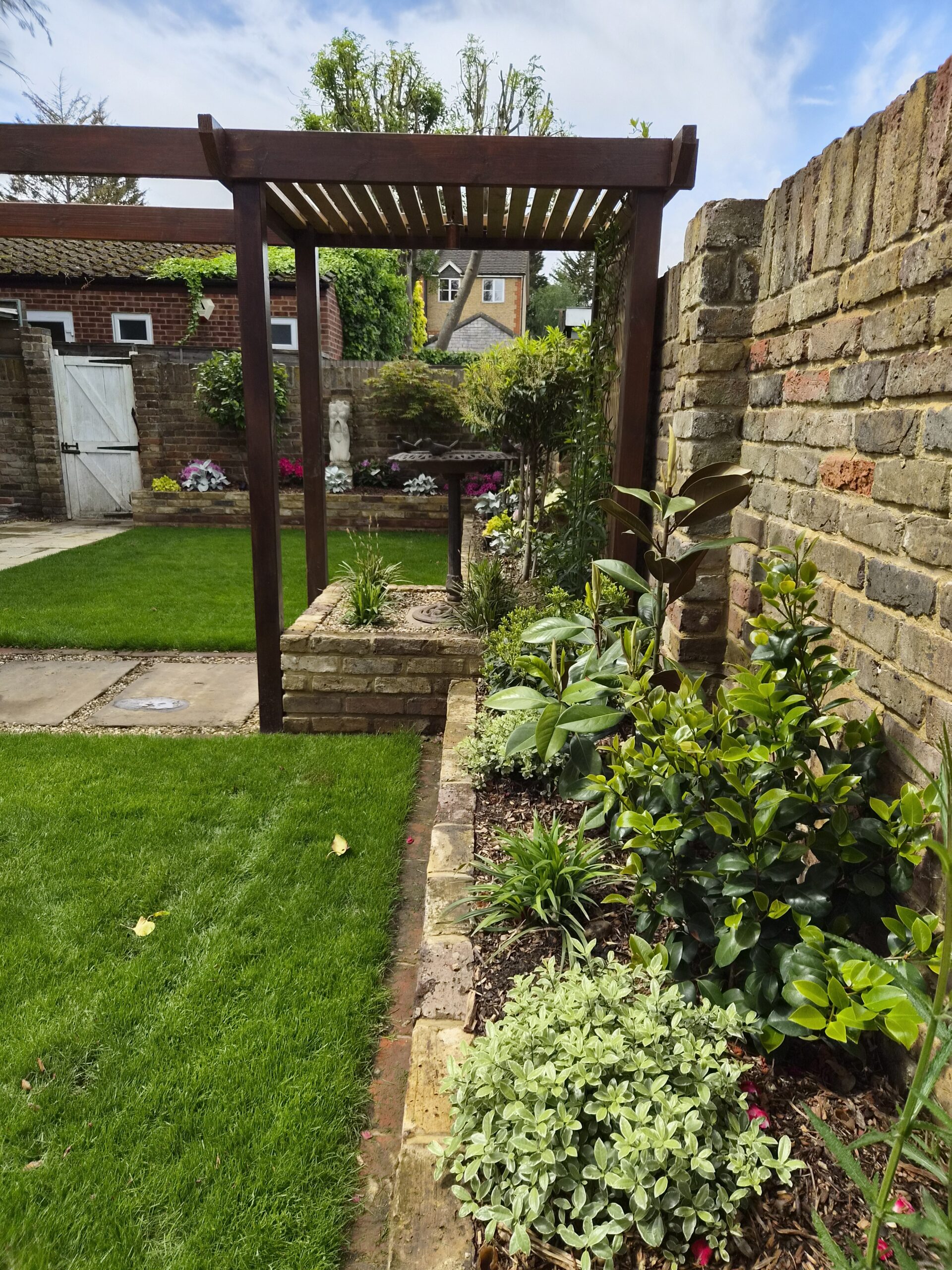
Your garden should be much more than an attractive space outside your home. The best family garden design reflects the way you live, giving everyone somewhere they can enjoy while making the most of the space available.
For one family, the perfect garden might mean a large lawn where children can play. For another, it could be an outdoor kitchen, dining area and pergola for entertaining friends. You might prefer a peaceful, beautifully planted retreat, or perhaps your priority is creating a practical, low-maintenance garden that doesn’t require every weekend to keep it looking its best.
At Taylored Gardens, we believe the starting point for any successful garden design is understanding how you want to use it. Here are some of the key things to consider when deciding what type of garden will suit you and your family.
Start by Thinking About How Your Family Lives
Before thinking about paving, planting or garden furniture, think about your lifestyle.
How do you imagine using your garden on a typical summer weekend? Do you have young children who need space to play? Do you regularly entertain friends and family? Do you love gardening, or would you rather spend your free time enjoying the garden than maintaining it?
Consider everyone who will use the space. That might include young children, teenagers, grandparents, friends and even pets.
Making a simple list of your priorities can be incredibly helpful. These might include:
- Space for children to play
- An outdoor dining and entertaining area
- A peaceful area for relaxing
- An outdoor kitchen or barbecue
- Attractive planting
- A lawn
- Storage
- A pergola or shaded seating area
- Garden lighting
- Space for pets
- A low-maintenance planting scheme
Once you understand what is important, it becomes much easier to create a garden design for your family rather than simply choosing features because they look attractive.
Creating a Child-Friendly Garden
If you have young children, their needs are naturally going to play an important part in your garden design.
However, a child-friendly garden doesn’t need to look like a playground.
Clever garden design can incorporate areas where children can play and explore while still creating a beautiful outdoor space for adults. Lawns, winding pathways, hidden areas, natural materials and different textures can all encourage children to explore their surroundings.
As children grow, their requirements will change too. The area that once housed toys or a playhouse could eventually become additional planting, a seating area or somewhere teenagers can relax with friends.
Designing flexibility into your garden from the beginning can therefore make it much easier for the space to evolve with your family.
Think About Outdoor Entertaining
For many of our clients, entertaining is one of the most important reasons for redesigning their garden.
If you regularly have friends and family over, creating a dedicated outdoor entertaining area can completely change the way you use your home.
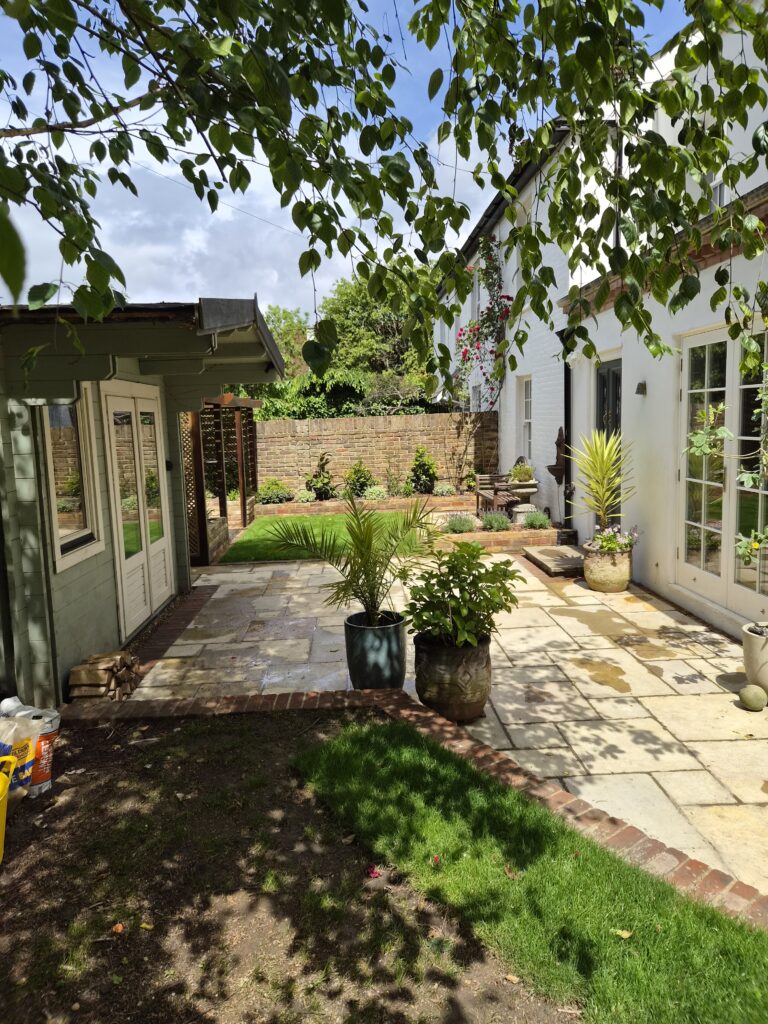
A generous patio or raised deck can create a natural extension of your indoor living space, providing somewhere for dining, relaxing and socialising. Pergolas can provide structure and shade, while an outdoor kitchen can transform the garden into a genuine entertaining space.
Location is important too.
Positioning dining and cooking areas close to the house can make carrying food and drinks outside easier, while another seating area further into the garden can provide somewhere quieter to relax.
A well-designed family garden can have several different areas, each with its own purpose.
Would You Prefer a Low-Maintenance Family Garden?
One of the biggest considerations when choosing your garden is how much time you realistically want to spend maintaining it.
A beautiful garden doesn’t necessarily have to involve hours of work every week.
A low-maintenance family garden can combine carefully selected planting with good-quality hard landscaping to create a space that remains attractive without becoming a burden.
Planting can be selected for its structure, colour and seasonal interest while also considering how much pruning, watering and general care it requires. The layout of beds, lawn and paved areas can also make ongoing maintenance considerably easier.
The important thing is to be realistic. If you enjoy gardening, more extensive borders and planting might be exactly what you want. If your weekends are already busy, a simpler scheme may suit your lifestyle much better.
Consider How Much Garden You Actually Need
A common misconception is that every part of a garden needs to have a feature or obvious purpose.
Sometimes leaving space is equally important.
An open lawn can give children somewhere to play while visually making a garden feel larger. Generous planting can soften boundaries and create privacy, while carefully positioned seating areas can provide destinations within the garden.
Even relatively compact family gardens can accommodate several uses when the space is carefully planned.
Rather than dividing a small garden into lots of tiny areas, we often look at how features can perform more than one function. A retaining wall might become informal seating, for example, while a pergola can define an entertaining area as well as providing shade and support for climbing plants.
Don’t Forget About Your Pets
Pets are another important consideration when planning a family garden.
Dogs in particular can have a significant influence on the layout, planting and materials you choose. Paths and open areas can give them room to move around, while robust planting and durable surfaces can help your garden cope with everyday family life.
Boundaries also need careful consideration so that your garden remains secure without feeling enclosed.
Thinking about pets during the initial design stage means their requirements can be incorporated naturally rather than added as an afterthought.
Choose Planting That Works for Your Lifestyle
Planting is one of the elements that can really bring a garden to life.
Rather than simply choosing individual plants that you like, think about the overall effect you want to create.
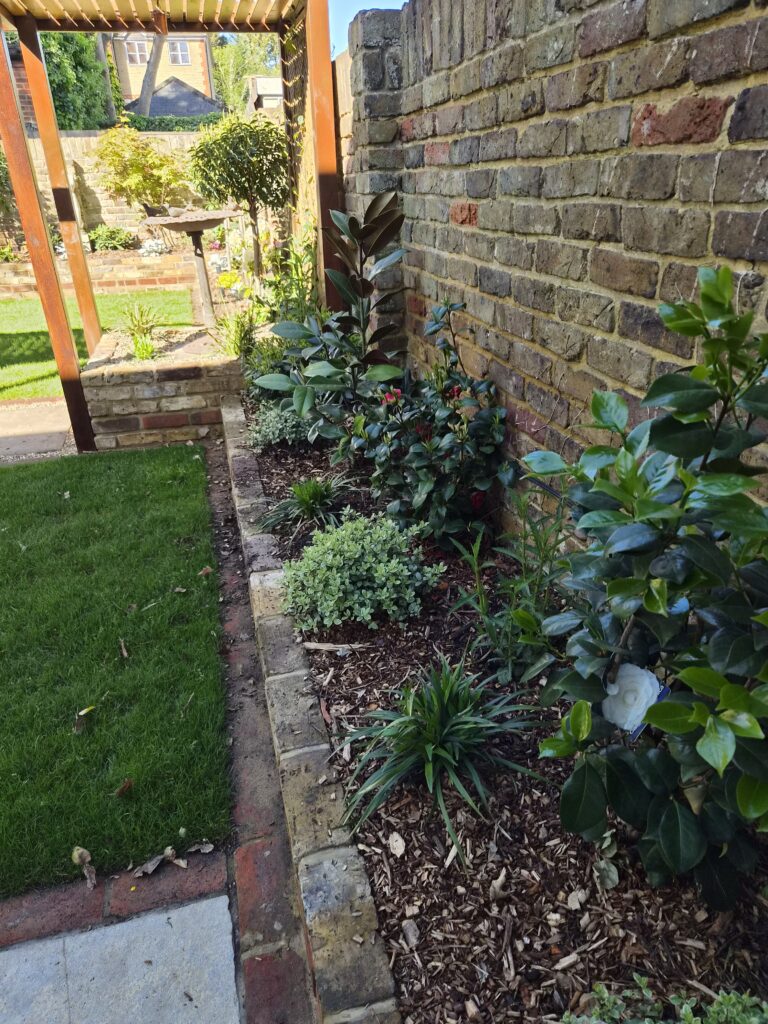
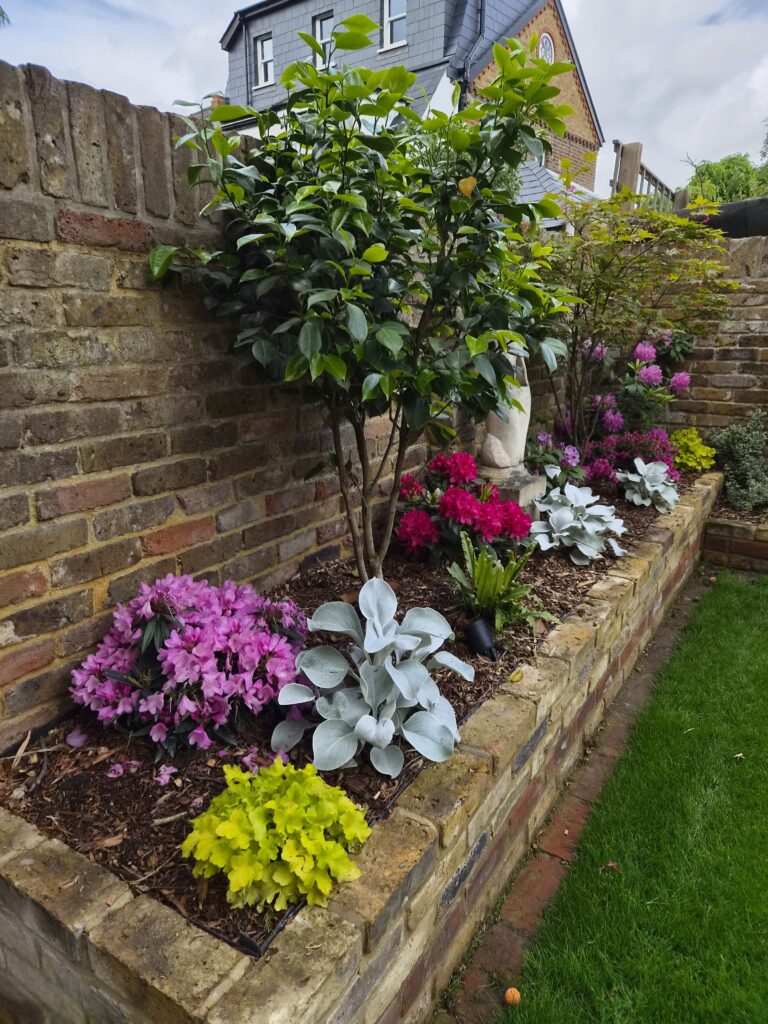
Would you prefer a contemporary garden with structured planting and ornamental grasses? Perhaps you love traditional cottage garden planting filled with colour. You may want lush, architectural planting that creates a more tropical feeling, or a simple palette of plants that provides interest throughout the seasons.
For a busy family garden, plants also need to work practically.
The right combination can provide privacy, soften hard landscaping, attract wildlife and create changing colour and texture throughout the year.
Think About Your Garden Throughout the Year
It’s easy to imagine your new garden on a warm summer afternoon, but a successful family garden design should work throughout as much of the year as possible.
Covered areas and pergolas can make outdoor spaces more versatile, while lighting can completely change the atmosphere of a garden after dark.
Carefully positioned garden lighting can highlight planting, trees, pathways and architectural features while allowing entertaining areas to remain usable into the evening.
Planting should also be considered seasonally. Combining evergreen structure with plants that flower or change colour at different times can help ensure your garden remains interesting well beyond summer.
Decide What Style of Garden Suits Your Home
Your garden should feel connected to your property.
A contemporary extension might lend itself to clean lines, large-format paving and architectural planting, while an older property may suit softer landscaping and more traditional materials.
That doesn’t mean you have to follow rules. Contrasting old and new can look fantastic when handled carefully.
The important thing is that the transition between your house and garden feels considered. Materials, colours, planting and proportions can all help connect the two spaces.
Create Different Zones Within Your Garden
One of the most effective approaches to family garden design is zoning.
Rather than thinking of your garden as one large space, consider creating areas for different activities.
Close to the house you might have a terrace for dining. Beyond that could be a lawn for children and pets, surrounded by planting. At the end of the garden, a pergola or secluded seating area could provide somewhere quieter for relaxing.
Planting, changes in paving, pathways, screens, levels and structures can subtly separate these areas without making the garden feel divided.
This gives every member of the family somewhere to enjoy while allowing the garden to work as one cohesive space.
Think About the Future
Your family won’t always use the garden in exactly the same way.
Children grow up, entertaining habits change and the amount of time you have available for gardening may increase or decrease.
That’s why we recommend thinking several years ahead when planning a garden.
Flexible spaces can be adapted without requiring a complete redesign. A children’s play area might eventually become an entertaining terrace. A lawn could later become additional planting, while a pergola can mature as climbing plants establish themselves.
Planning for change can help your investment continue working for you for many years.
Finding the Right Family Garden Design
Ultimately, there isn’t one type of garden that works for every family.
The right garden is one that reflects your family, your property and your lifestyle.
Before starting your project, think carefully about what you enjoy doing outdoors, who will use the garden, how much maintenance you’re comfortable with and how you would like the space to develop over time.
At Taylored Gardens, we take the time to understand these details before developing a design. We look at how you live, what you love and what you need from your outdoor space before combining planting, landscaping, materials and practical features into one considered design.
Whether you want a child-friendly garden, an entertaining space, a low-maintenance retreat or a combination of all three, thoughtful planning can create a garden that works beautifully for the whole family.
Thinking about transforming your family garden?
Talk to Taylored Gardens about your ideas. We can help you explore the possibilities, develop a design that suits your property and create an outdoor space that your family can enjoy for years to come.