
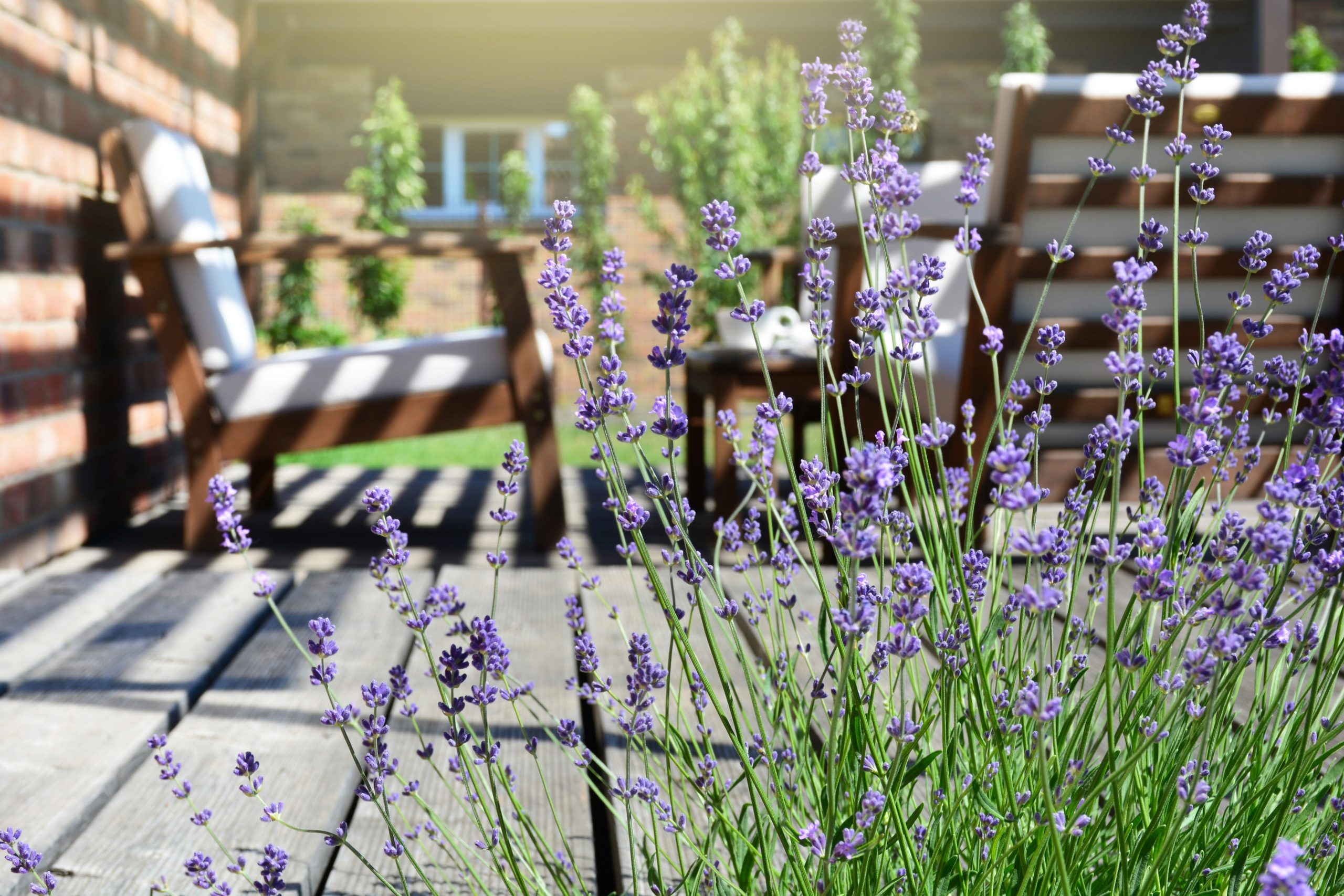
A beautifully planted garden border can completely transform an outdoor space, bringing colour, texture, depth and interest throughout the seasons. But creating that full, established appearance isn’t simply about filling every available space with plants. The secret is plant layering – carefully selecting and positioning plants according to their height, spread, shape, texture and growing habits.
At Taylored Gardens, we design planting schemes that consider how a border will look when it is first planted, but more importantly, how it will develop over the months and years ahead.
Understanding how plants mature allows us to create garden borders that gradually knit together, creating a natural, balanced and established appearance.
What Is Plant Layering in a Garden Border?
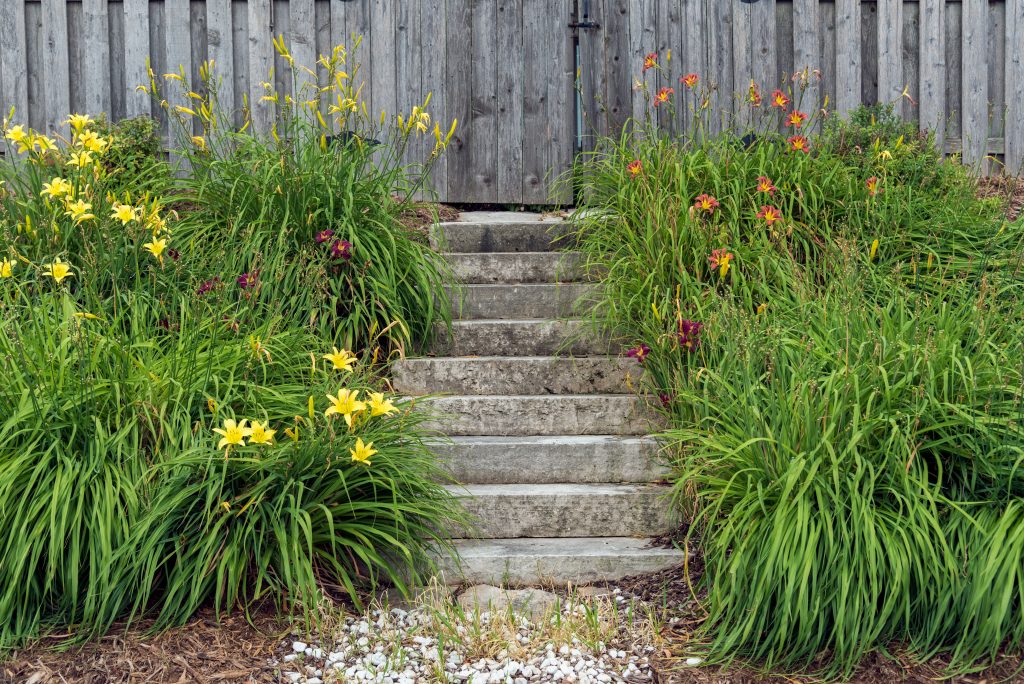
Plant layering is a garden design technique that uses plants of different heights, forms and growing habits to create several visual levels within a border.
Rather than seeing individual plants sitting separately within the soil, the aim is to create a coordinated planting scheme where plants complement and overlap one another.
Traditionally, taller plants are positioned towards the back of a border, medium-height plants occupy the middle and lower-growing or spreading plants soften the front.
However, modern garden design doesn’t always follow these rules rigidly. Tall, airy plants can sometimes be brought forward, while repeating plants at different depths can create a much more relaxed and natural appearance.
The result is a garden border with depth, movement and visual interest, rather than one that appears flat or regimented. Look for a landscape company that listens
Start With the Right Plants for the Right Location
Before considering colour or appearance, it’s important to understand the conditions within your garden.
How much sunlight does the border receive? Is it exposed or sheltered? Is the soil heavy clay, free-draining, sandy or somewhere in between? Does the area remain damp or become particularly dry during the summer?
Selecting plants that naturally suit these conditions gives them a much better opportunity to establish and thrive.
A plant that looks beautiful in a garden centre isn’t necessarily going to perform well in every garden. Successful garden border planting starts with understanding the environment and selecting plants accordingly.
Think About How Large Your Plants Will Become
One of the most important considerations when designing a planting scheme is the eventual height and spread of each plant.
Newly planted borders can initially appear quite sparse. It’s tempting to compensate by adding more plants, but this can create problems as they mature.
Give plants sufficient room and, over time, they will begin to spread and fill the spaces between them.
The objective is to visualise the border two or three years into the future rather than simply designing for how it looks on the day it is planted.
This helps create a border that matures naturally without plants becoming excessively crowded or competing unnecessarily for light, water and nutrients.
Create Structure at the Back of Your Border
Larger shrubs, evergreens, ornamental grasses and architectural plants can provide the backbone of a garden border.
These plants create height and structure and can help disguise fences, walls and other boundaries.
Evergreen plants are particularly useful because they continue to provide shape and foliage during autumn and winter when many herbaceous plants have died back.
The structural layer gives the remainder of the planting scheme something to work around and helps the border maintain its overall shape throughout the year.
Build Colour and Interest Through the Middle
The front of a border provides another opportunity to introduce a layer of planting.
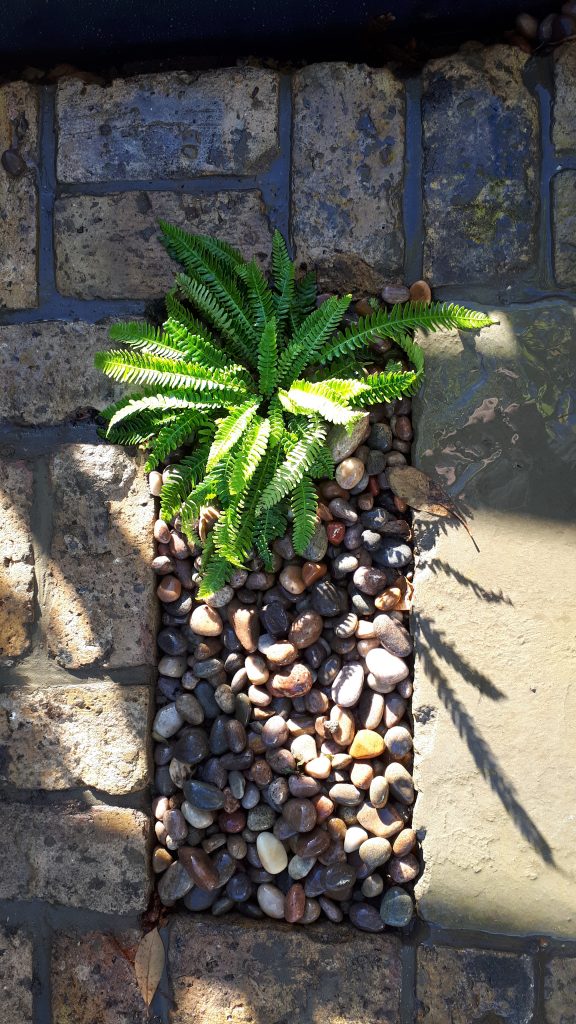
Low-growing perennials and ground-cover plants can spread between larger plants, helping to cover exposed soil and soften the transition between the border and surrounding paving, paths or lawn.
Plants such as hardy geraniums, heucheras, creeping thyme, sedums and certain varieties of nepeta can work particularly well.
Allowing some plants to gently spill towards a path or over the edge of a raised border can also create a softer and more established appearance.
Use Lower Plants to Soften the Front of Borders
The front of a border provides another opportunity to introduce a layer of planting.
Low-growing perennials and ground-cover plants can spread between larger plants, helping to cover exposed soil and soften the transition between the border and surrounding paving, paths or lawn.
Plants such as hardy geraniums, heucheras, creeping thyme, sedums and certain varieties of nepeta can work particularly well.
Allowing some plants to gently spill towards a path or over the edge of a raised border can also create a softer and more established appearance.
Don’t Forget About Foliage
Flowers naturally attract our attention, but foliage is just as important when creating a successful planting scheme.
Combining different leaf shapes, sizes and textures gives a border interest even when relatively few plants are flowering.
Large architectural leaves can sit alongside delicate grasses, while silver, deep green, lime and burgundy foliage can introduce subtle changes in colour.
A successful garden border should still have character when the flowers disappear.
Repeat Plants Throughout Your Borders
Repetition is one of the simplest ways to make garden planting feel professionally designed.
Instead of selecting dozens of different plants and using each variety once, choose a smaller collection of plants and repeat them at intervals.
These repeated shapes, colours and textures lead your eye through the garden and help connect one area with another.
It also allows individual groups of plants to grow together and create stronger blocks of colour as the border matures.
Select Plants for Year-Round Interest
A well-designed border shouldn’t only look good for a few weeks during summer.
When selecting plants, consider when they flower, when their foliage appears, whether they are evergreen and whether they provide attractive seed heads or structure during winter.
Spring bulbs can emerge before later-growing perennials have filled their allotted space. Summer-flowering plants can then take centre stage before autumn colour and ornamental grasses extend interest towards winter.
Evergreen shrubs and architectural plants can provide the permanent structure that holds everything together.
Careful plant selection means there is always something interesting happening within the garden.
Allow Your Garden Border Time to Mature
Perhaps one of the hardest parts of creating a new garden is being patient.
Plants need time to establish.
During the first year there may be visible spaces between plants, but as roots become established and plants mature, those gaps gradually become smaller.
Over time, neighbouring plants begin to meet and overlap, producing the rich, layered appearance that makes an established garden so attractive.
Trying to achieve this appearance immediately by overplanting can mean that plants eventually become overcrowded.
Good garden design anticipates growth rather than fighting against it. Questions to ask a landscape company
Soil Preparation Is Just as Important as Plant Selection
Even the best planting scheme will struggle if the soil hasn’t been properly prepared.
Before planting, we consider the existing soil and what may be required to improve its structure and growing conditions.
Adding appropriate organic matter can improve soil structure and help establish healthy plants. Once planted, applying mulch can also help retain moisture, suppress weeds and improve the appearance of newly created borders.
Giving plants the right conditions from the beginning helps them establish successfully and ultimately fill the space they were selected for. A professional landscaping company should be happy to discuss these questions with you.
Creating a Garden Border That Gets Better With Age
One of the most rewarding aspects of garden design is watching a carefully planned planting scheme mature.
A newly landscaped garden is only the beginning.
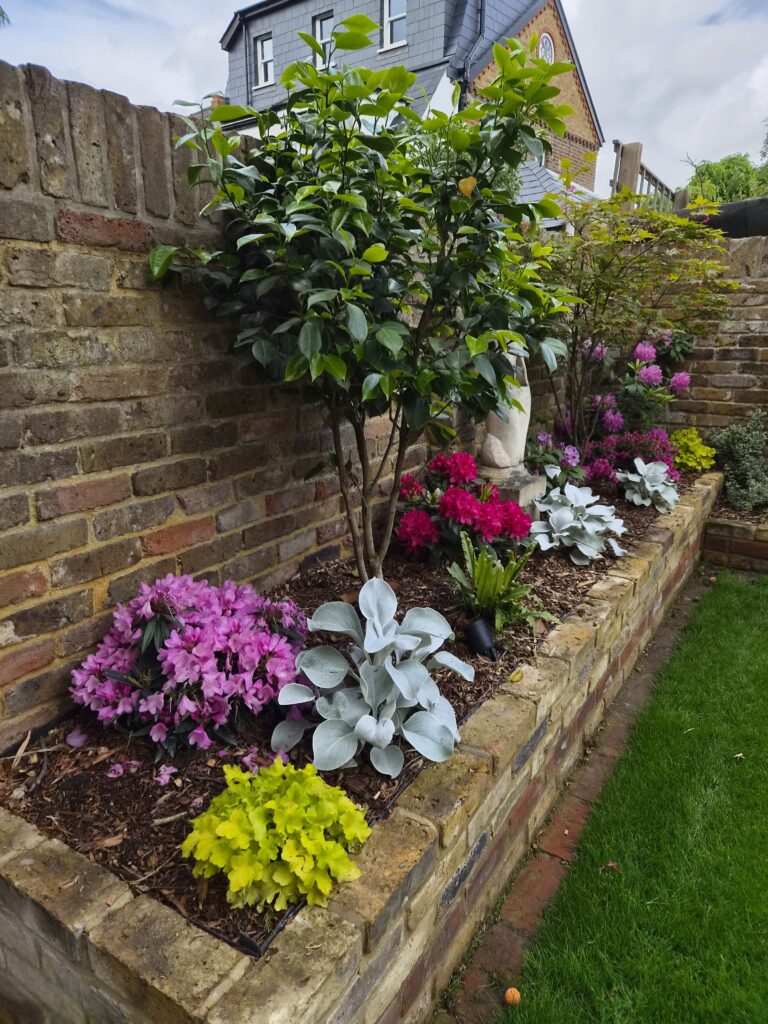
As shrubs develop, perennials spread and different layers of planting begin to interact, the character of the garden changes. Areas that initially appeared open gradually become richer, softer and more established.
At Taylored Gardens, we consider this long-term development when creating planting schemes for our clients. We select plants not simply for how they look individually, but for how they will work together as they grow.
By considering height, spread, flowering periods, foliage, texture and seasonal interest, we can create layered garden borders that become increasingly beautiful as they mature.
Thinking About Transforming Your Garden Borders?
Whether you’re refreshing an existing border or planning a completely new garden, thoughtful plant selection can make an enormous difference.
Taylored Gardens can help you create a carefully considered planting scheme designed around your garden, its growing conditions and the style you want to achieve.
The result is a garden where every plant has a purpose – and where the planting continues to develop, fill out and improve year after year.