
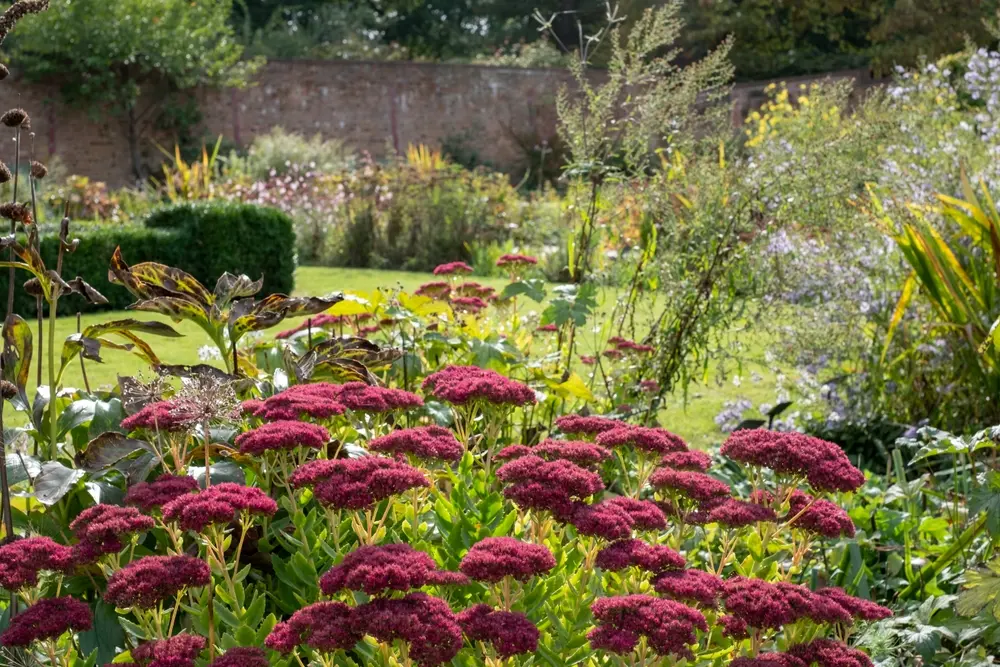
Autumn is one of the most beautiful times of year in a UK garden, and autumn colour in your garden can be spectacular. As summer planting begins to fade, a new palette can take over. Deep reds, burnt oranges, warm yellows, rich purples and bronze tones can transform your outdoor space.
With thoughtful seasonal planting, autumn doesn’t have to signal the end of a colourful garden. In fact, careful plant selection can make September, October and even November some of the most visually interesting months of the year.
At Taylored Gardens, we design planting schemes that provide colour, texture, structure and interest throughout the seasons. By considering how plants change as the year progresses, we can create a garden that continues to evolve. It need not simply reach its peak in summer.
Why Autumn Colour in Your Garden Matters
A successful garden should offer something to enjoy throughout the year.
While spring and summer naturally provide plenty of flowers, autumn colour in your garden can come from several different sources. Late-flowering perennials can extend the flowering season, while trees and shrubs provide spectacular changing foliage. Berries, grasses, seed heads and evergreen planting add another layer of interest.
This combination is important because autumn colour isn’t simply about flowers. It is about creating depth and contrast across the whole garden.
The lower autumn sunlight can also highlight grasses, foliage and structural planting beautifully, bringing a completely different atmosphere to the garden.
Choosing Plants for Autumn Colour in Your Garden
One of the keys to successful autumn garden planting is selecting plants that complement one another rather than relying on one particular variety.
Late-flowering perennials such as rudbeckia, sedum, Japanese anemones and asters can provide valuable colour as summer flowers begin to disappear.
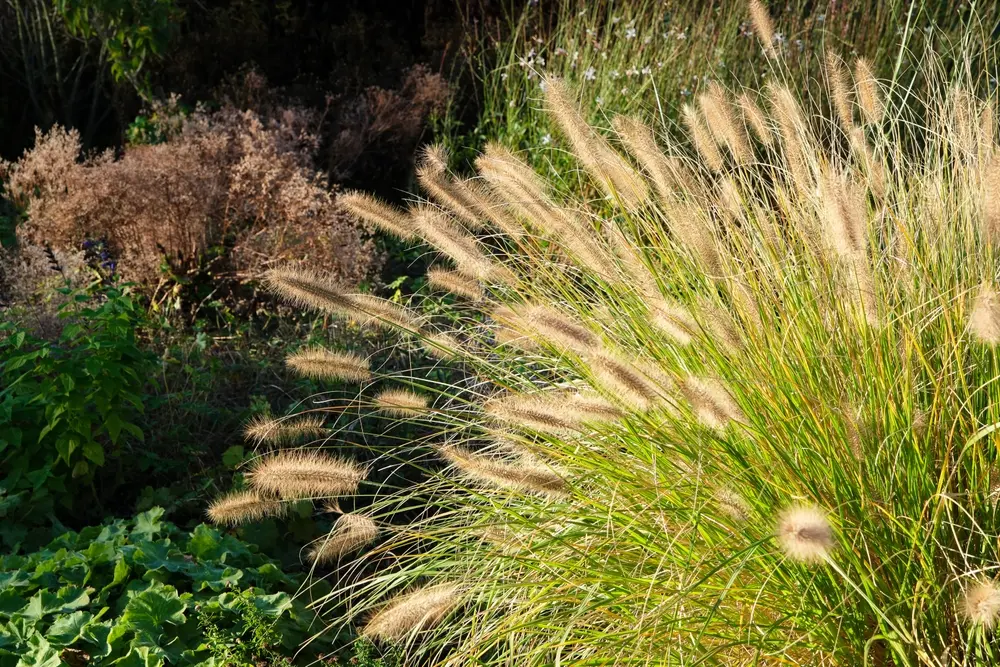
Ornamental grasses are another excellent addition. Their movement and texture work particularly well alongside flowering perennials. Their golden tones and seed heads can continue to provide interest as the garden moves towards winter.
Shrubs and small trees can then provide another layer of seasonal colour. Acers are particularly well known for their striking autumn foliage. Plants such as dogwood can continue the display through their colourful stems once their leaves have fallen.
Think Beyond Flowers
When creating a planting scheme, it’s easy to concentrate entirely on flowers. However, some of the most spectacular autumn colours come from foliage.
Leaves that transition from green into shades of red, yellow, orange and bronze can completely change the appearance of a garden.
Combining different leaf shapes, colours and textures also helps give borders greater depth. Evergreen plants can provide a consistent backdrop, allowing changing autumn foliage to become even more prominent.
Berries and seed heads can also become important features. Instead of immediately cutting plants back when flowering finishes, selected seed heads can be left in place. This creates texture and structure as autumn progresses into winter.
Use Ornamental Grasses for Movement and Texture
Ornamental grasses really come into their own during autumn.
Their fine leaves and seed heads catch the lower seasonal light beautifully, adding movement and softness to borders. They can also provide an effective contrast against stronger architectural planting, shrubs and late-flowering perennials.
Used carefully, grasses help connect different areas of a planting scheme and can make borders feel fuller without becoming visually heavy.
Leaving selected grasses standing through winter can also provide continued structure when many other plants have died back.
Create Layers of Seasonal Planting for Autumn Colour
At Taylored Gardens, we look at planting as part of the overall garden design rather than something added at the end.
Creating layers is an effective way of achieving a garden with genuine year-round interest.
Trees and larger shrubs can provide height and structure. Smaller shrubs create the middle layer, while perennials, grasses and ground-cover plants fill the borders below.
The important part is considering when each plant performs at its best.
Rather than having everything flower at once during June or July, a carefully considered planting plan can stagger periods of interest. As one group of plants begins to fade, another takes over.
The result is a garden that continually changes throughout the year.
Autumn Is Also a Great Time to Plant
Autumn isn’t only a time to appreciate seasonal colour – it can also be an excellent time to introduce new plants.
The cooler temperatures and typically greater soil moisture can provide good conditions for establishing many trees, shrubs, climbers and hardy perennials. With less heat stress than during summer, roots have an opportunity to establish before the following growing season.
Autumn is also the traditional time for planting many spring-flowering bulbs.
Daffodils, crocuses, alliums and tulips can be incorporated into an existing planting scheme. They are ready to provide another wave of colour when winter comes to an end.
This is where planning ahead becomes particularly important. What you plant during autumn can influence how your garden looks not only now, but next spring and summer too.
Match Planting to Your Garden
There is no single planting combination that will work perfectly in every garden.
The amount of sunlight, soil conditions, drainage, available space and level of maintenance all need to be considered.
A plant that thrives in a sunny, free-draining border may struggle in a damp or heavily shaded part of the garden. Likewise, plants need enough room to reach their natural size without overcrowding neighbouring varieties.
Understanding these conditions allows us to select plants that are appropriate for the individual garden.
It also means we can design planting around the client’s lifestyle. Some people enjoy regularly maintaining their borders, while others want a beautiful garden that requires much less attention.
Designing for Year-Round Interest
One of the best ways to approach a new garden is to think beyond individual seasons.
We want our clients to enjoy their gardens in spring, summer, autumn and winter. This means considering how the entire space changes throughout the year.
Spring bulbs might emerge through established borders before summer perennials take over. Late-flowering plants can then extend the display into autumn, accompanied by changing foliage, grasses and berries. During winter, evergreens, stems and structural plants become increasingly important.
This approach ensures there is always something interesting to see.
Embrace the Changing Seasons
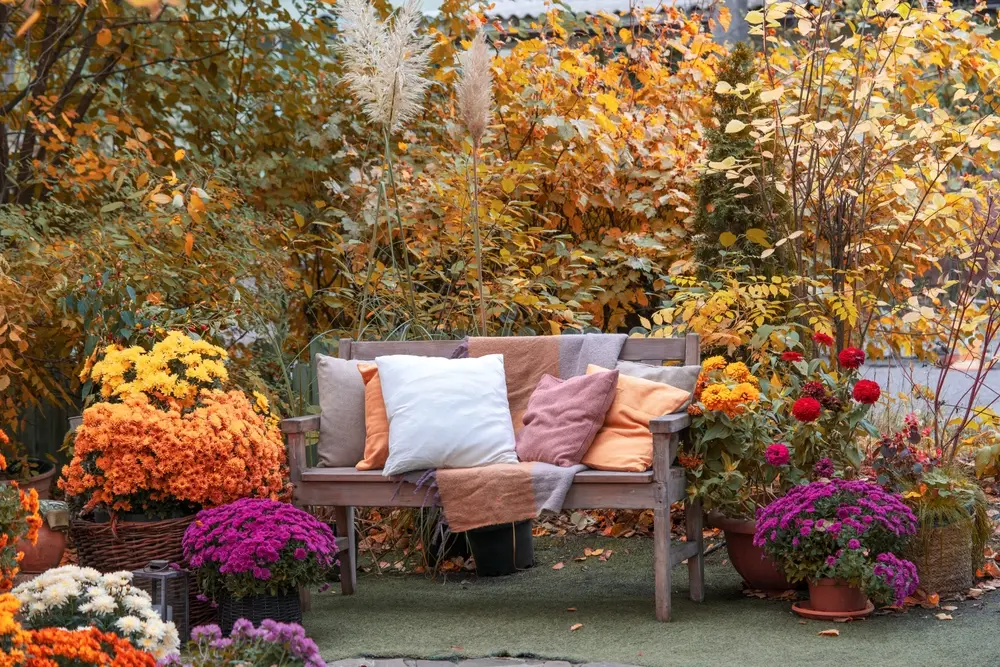
Autumn should be celebrated rather than treated simply as the end of summer.
With the right seasonal planting, your garden can be filled with warm colour, interesting textures and beautiful contrasts. This can last long after the height of the summer flowering season has passed.
At Taylored Gardens, we take the time to understand how our clients want to use and enjoy their outdoor space. We then develop a planting scheme around their garden, property and lifestyle.
Whether you’re looking to refresh existing borders or completely redesign your outdoor space, thoughtful planting can create a garden that changes beautifully throughout the seasons.
If you’re considering transforming your garden, autumn is the perfect time to start thinking about how colour, structure and seasonal planting could create an outdoor space you’ll enjoy all year round.