
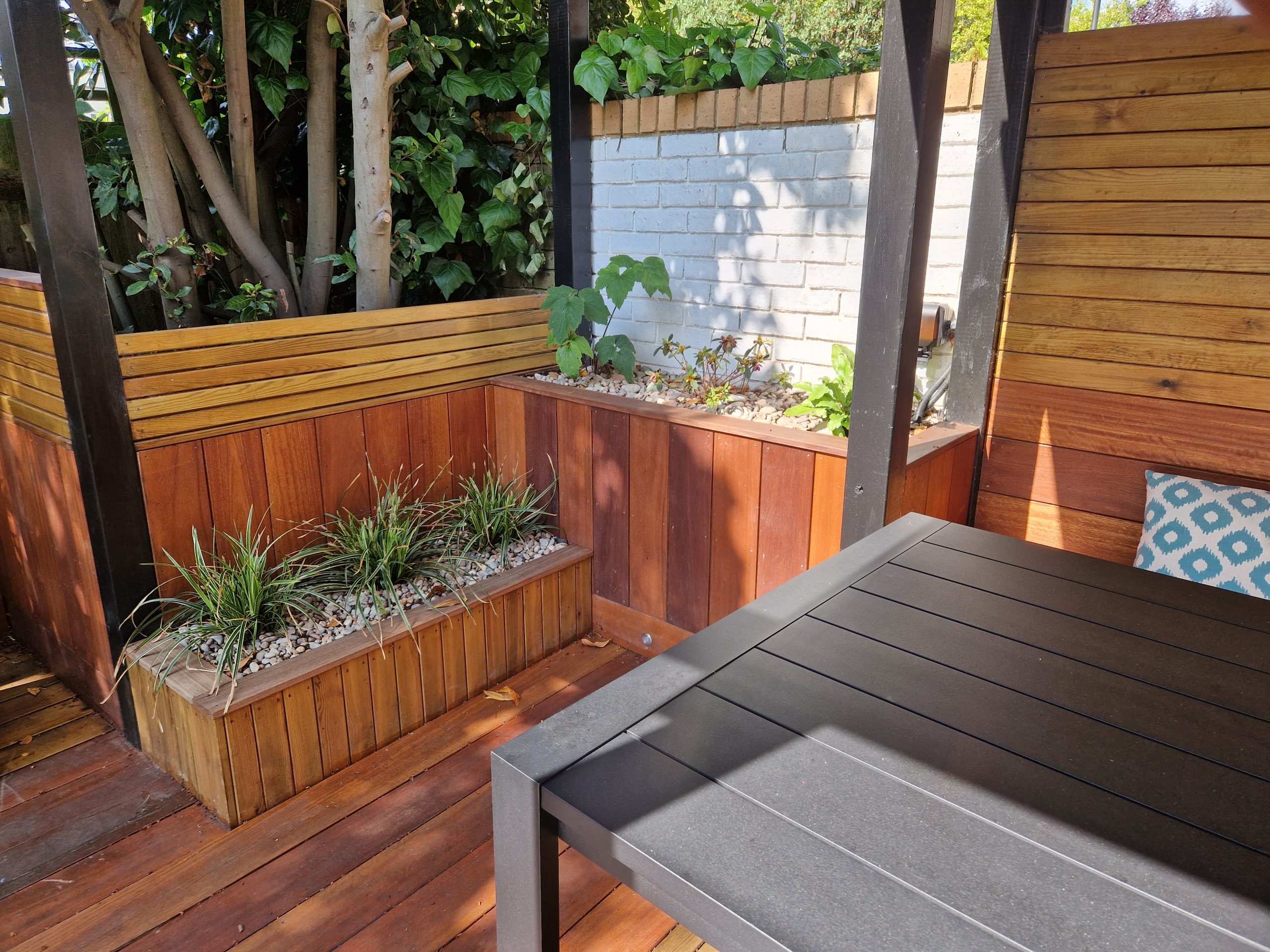
Garden design in the UK is changing. Increasingly, homeowners want more than a beautiful outdoor space – they are looking for gardens that work with nature, cope better with changing weather conditions and provide somewhere to relax, entertain and escape from the pressures of everyday life.
As a result, sustainable garden design, climate-resilient landscaping and wellness-focused outdoor living are becoming increasingly important considerations when creating a new garden.
From drought-tolerant planting and improved water management to shaded seating areas, outdoor kitchens and spaces surrounded by greenery, the modern UK garden is becoming an extension of both the home and our lifestyle.
At Taylored Gardens, we believe these ideas can work together. A garden can be sustainable and practical without sacrificing style, comfort or individuality.
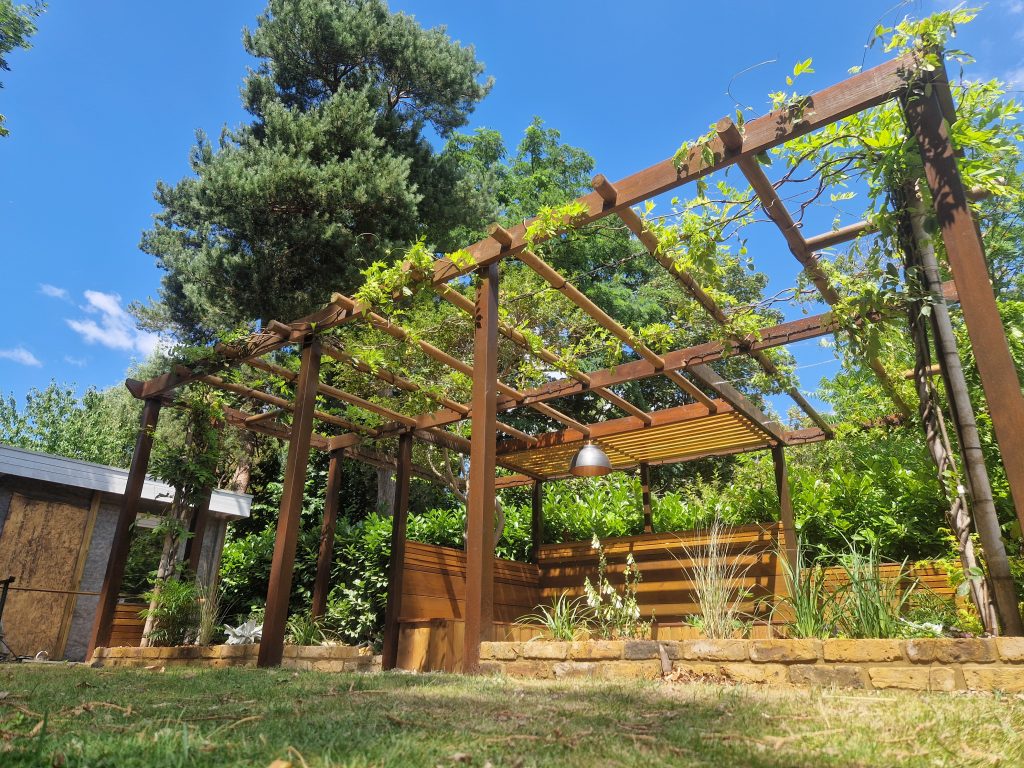
Why Are Climate-Resilient Gardens Becoming So Important?
UK gardens are having to cope with increasingly challenging conditions. Periods of intense heat and dry weather can be followed by prolonged rainfall, creating very different demands on plants, lawns, drainage and hard landscaping.
A climate-resilient garden is designed with these changing conditions in mind.
Rather than constantly fighting the environment, good garden design considers the individual site, including its soil, sunlight, shade, drainage and exposure, before choosing the most appropriate plants and materials.
The result can be a garden that is easier to manage, requires fewer additional resources and continues to look attractive throughout the seasons.
Choosing the Right Plants for the Right Place
Plant selection is central to sustainable and climate-resilient landscaping.
Instead of selecting plants purely because of their appearance, we consider where they will be positioned and the conditions they will experience.
Sunny, dry areas, for example, can provide an opportunity to introduce drought-tolerant plants that thrive once established. Mediterranean-style planting, ornamental grasses and plants with silver or textured foliage can create beautiful combinations while helping reduce the garden’s dependency on regular watering.
Other areas may experience very different conditions, particularly gardens with heavy soil that can become wet during winter before drying considerably during summer.
Understanding these variations allows us to create a planting scheme suited to the garden rather than trying to force unsuitable plants to survive.
Diverse planting also creates layers of colour, height, movement and texture while providing valuable habitats and food sources for wildlife and pollinators.
Designing Gardens to Make Better Use of Water
Water management is becoming an increasingly important part of sustainable garden design in the UK.
A well-designed garden should consider what happens to rain when it lands on roofs, patios, paths and other hard surfaces.
Rather than allowing all this water to disappear immediately into drainage systems, there are opportunities to capture, store and gradually release it.
Water butts and rainwater harvesting can provide water for plants during dry periods, while permeable surfaces allow rainfall to soak naturally into the ground.
Another increasingly interesting option is the rain garden.
A rain garden uses a planted, slightly lower area to temporarily collect water running from roofs or hard landscaping. Carefully selected plants can tolerate periods of additional moisture while the water gradually filters into the soil.
These features can become attractive parts of the overall garden design rather than simply practical drainage solutions.
Soil Is One of a Garden’s Most Valuable Resources
Healthy soil is fundamental to creating a resilient garden.
Improving soil with organic matter can help it retain moisture while supporting the microorganisms and natural processes that plants depend upon.
Mulching planted areas can also reduce evaporation during warmer weather, suppress weeds and protect the soil surface.
Combined with appropriate planting, these relatively simple approaches can reduce the amount of additional watering and maintenance a garden requires once it becomes established.
For us, sustainability isn’t about adding a single ‘eco feature’. It is about considering how the entire garden works as one interconnected environment.
Making Space for Wildlife
Sustainable landscaping also provides an opportunity to encourage biodiversity.
Trees, shrubs, hedging, flowering perennials and grasses can all contribute to creating habitats within a garden. Planting that provides flowers across different seasons can offer a valuable food source for bees and other pollinating insects.
Even relatively compact gardens can contribute.
The key is creating variety. Different heights, textures and plant types can provide shelter and feeding opportunities while simultaneously making a garden feel richer and more established.
It means that creating a wildlife-friendly garden doesn’t have to involve compromising the overall design. Wildlife and contemporary landscaping can sit very comfortably together.
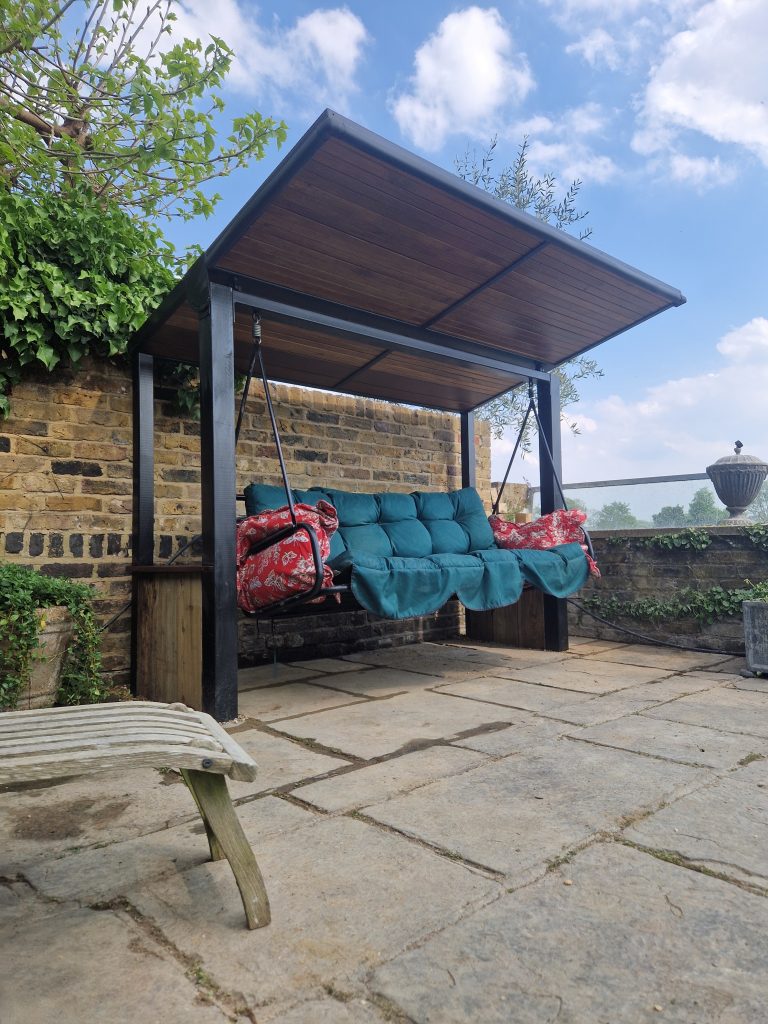
The Growth of Wellness-Focused Garden Design
Alongside sustainability, another major influence on contemporary garden design is wellness.
Our gardens have increasingly become places where we can switch off, spend time outside and reconnect with nature.
This is changing the way outdoor spaces are planned.
Rather than treating the garden as something simply viewed from the house, we can create destinations within it – places that encourage you to step outside and spend more time there.
A comfortable seating area surrounded by planting, for example, can become a peaceful place for a morning coffee or quiet reading. A pergola can create shade and a greater sense of enclosure, while carefully positioned planting can increase privacy and soften views.
These details can turn an ordinary seating area into a genuine outdoor retreat.
Creating Different Zones Within Your Garden
One of the most effective ways to make an outdoor space work harder is to divide it into different areas.
A garden could include a terrace close to the house for dining, a shaded relaxation space, an outdoor kitchen for entertaining and a quieter seating area surrounded by planting.
Paths can then connect these spaces and encourage people to explore the garden.
This approach can work particularly well in larger gardens, but clever zoning can be equally effective in a compact outdoor space.
Changing paving materials, planting, levels, pergolas or screens can subtly define individual areas without making the garden feel divided.
Outdoor Living That Works Beyond the Summer
Outdoor living spaces don’t have to be restricted to the hottest few weeks of the year.
Thoughtful garden design can extend the amount of time you are able to comfortably spend outside.
Pergolas and covered structures can provide shade during summer and shelter during less predictable weather. Outdoor kitchens can make entertaining easier, while integrated seating creates somewhere comfortable to gather with family and friends.
Lighting is another important consideration.
Carefully positioned garden lighting can illuminate paths, highlight planting and architectural features and transform the atmosphere after sunset. This allows an entertaining or relaxation area to continue working well into the evening.
The aim is to create a garden that genuinely feels like an extension of your home.
Combining Sustainability With Contemporary Garden Design
There can sometimes be a perception that a sustainable garden needs to look wild or informal.
It doesn’t.
Sustainable principles can be incorporated into almost any style of garden, from a traditional country garden to a clean, contemporary urban space.
A modern garden might combine large areas of architectural planting with permeable paving, drought-tolerant borders and rainwater harvesting. A more traditional garden could use mixed planting, hedging, trees and natural materials to achieve many of the same environmental benefits.
It is the thinking behind the garden, rather than a particular visual style, that makes the difference.
Materials Matter Too
Hard landscaping forms a significant part of many garden projects, so material choice should also be carefully considered.
Durability is important. Choosing appropriate, good-quality materials that will last can reduce the need for replacement in the future.
Where appropriate, existing materials may also be incorporated into a new design, while permeable surfaces can help reduce surface-water runoff.
The balance between planted and hard-landscaped areas is equally important. Introducing generous planting can soften patios and pathways while creating a garden that feels naturally connected to its surroundings.
Low Maintenance Doesn’t Have to Mean Less Planting
Many homeowners ask us to create a low-maintenance garden, but that doesn’t necessarily mean replacing planting with large areas of paving.
In fact, selecting plants that naturally suit the conditions can often be a more sustainable long-term approach.
Once properly established, carefully selected planting can require relatively little intervention while still providing seasonal colour, texture and interest.
Dense planting can also help cover the soil, reducing opportunities for weeds and helping the ground retain moisture.
The objective should be intelligent maintenance rather than simply removing everything that requires care.
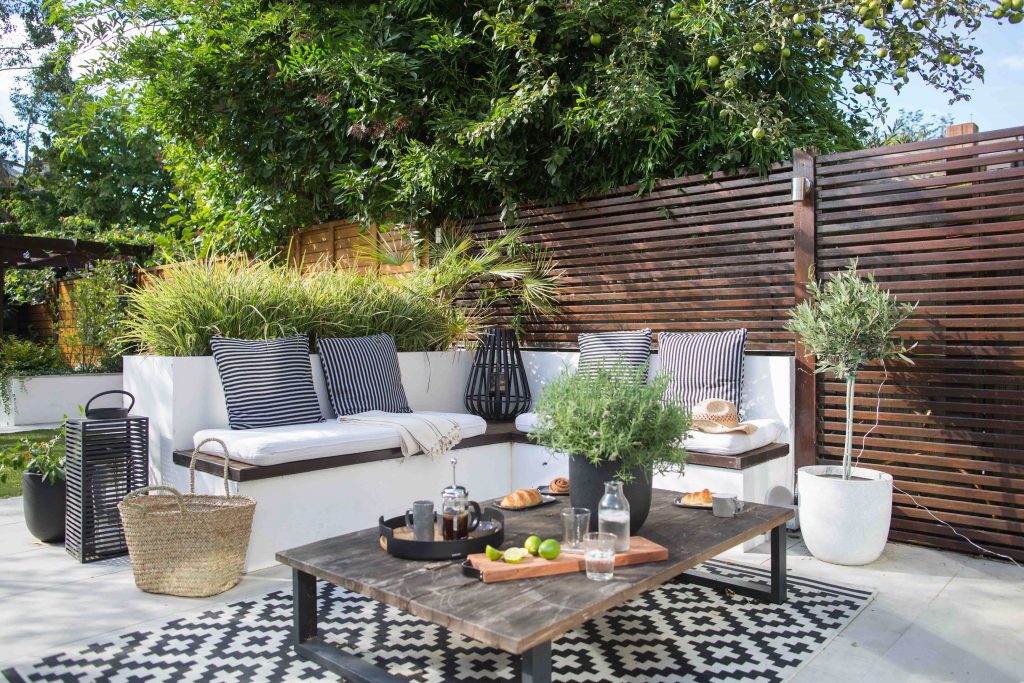
Designing a Garden Around Your Lifestyle
Every garden – and every client – is different.
Before designing a space, we think it is important to understand how you actually want to use it.
Do you regularly entertain friends and family? Would you like somewhere quiet to read? Do you want an outdoor kitchen? Does your family need an open area to play? Would you enjoy a secluded seating area at the end of the garden?
Understanding these priorities allows the garden to be designed around your lifestyle.
We can then consider how planting, landscaping, lighting, seating, structures and practical elements can be brought together into one coherent design.
A Garden Designed for Today – and Tomorrow
The move towards sustainable, climate-resilient landscaping and wellness-focused outdoor living represents much more than a passing garden trend.
It reflects a change in what we expect from our outdoor spaces.
We want gardens that look beautiful but also respond intelligently to their environment. We want planting that can cope with changing conditions, landscapes that make better use of water and spaces that support wildlife.
At the same time, we want our gardens to enhance our own lives – providing somewhere to entertain, relax, spend time with family and simply enjoy being outside.
At Taylored Gardens, we design and build gardens around both the property and the people who use them. By combining thoughtful landscaping, carefully selected planting and practical outdoor living spaces, we can create a garden that feels beautiful today while being better prepared for the years ahead.
If you’re considering transforming your garden, talk to Taylored Gardens about creating a sustainable, climate-resilient outdoor space designed around the way you want to live.