
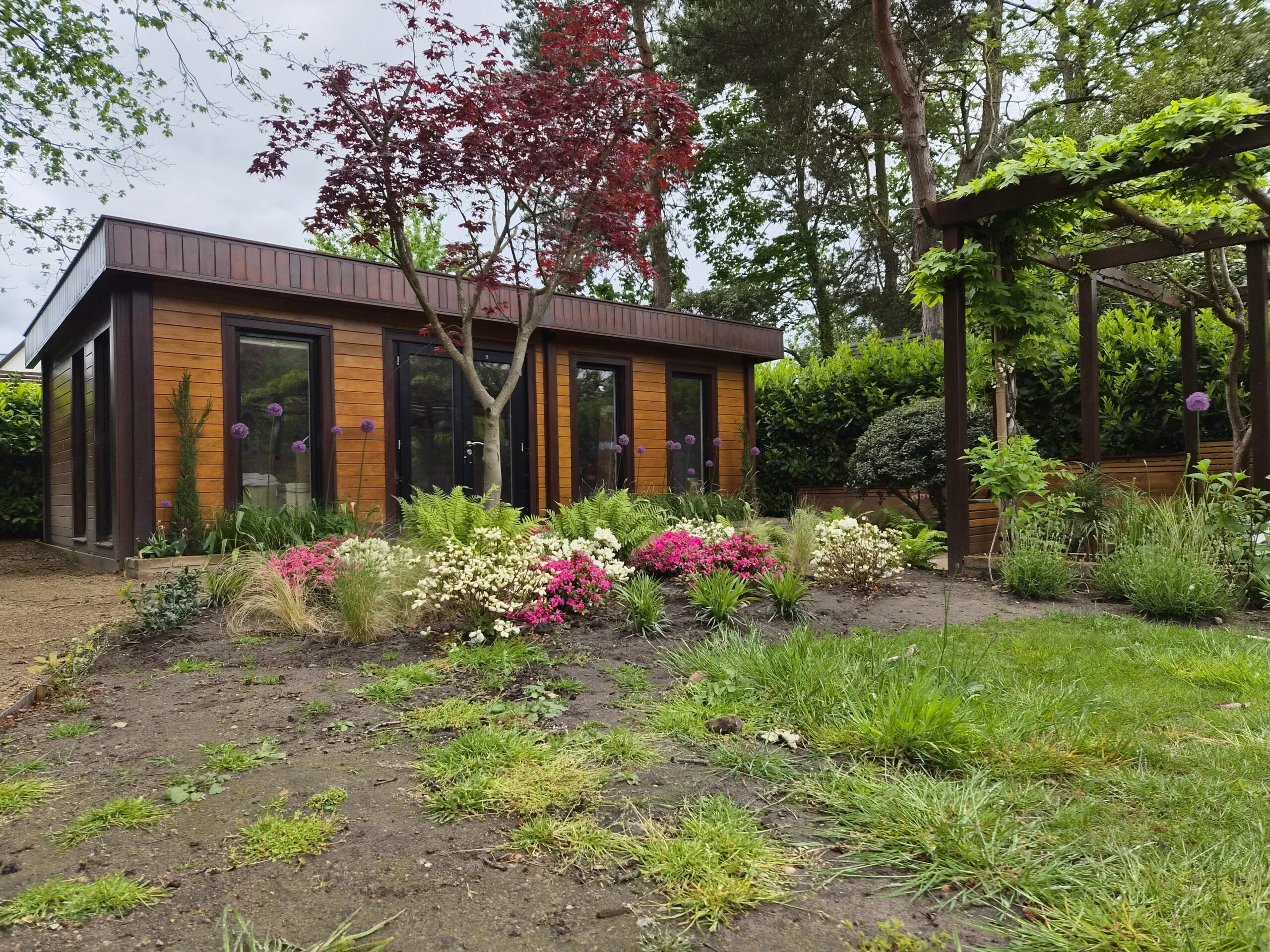
Creating a garden that buzzes with life is one of the most rewarding ways to enjoy your outdoor space. Whether you have a large country plot or a compact urban space, choosing the right plants can help you attract wildlife, increase biodiversity, and create a thriving garden that benefits both people and nature.
If you’ve ever wondered what are the best plants to attract nature into your garden, the answer lies in selecting a diverse range of wildlife friendly plants that provide food, shelter, nesting sites, and habitats for different species throughout the year.
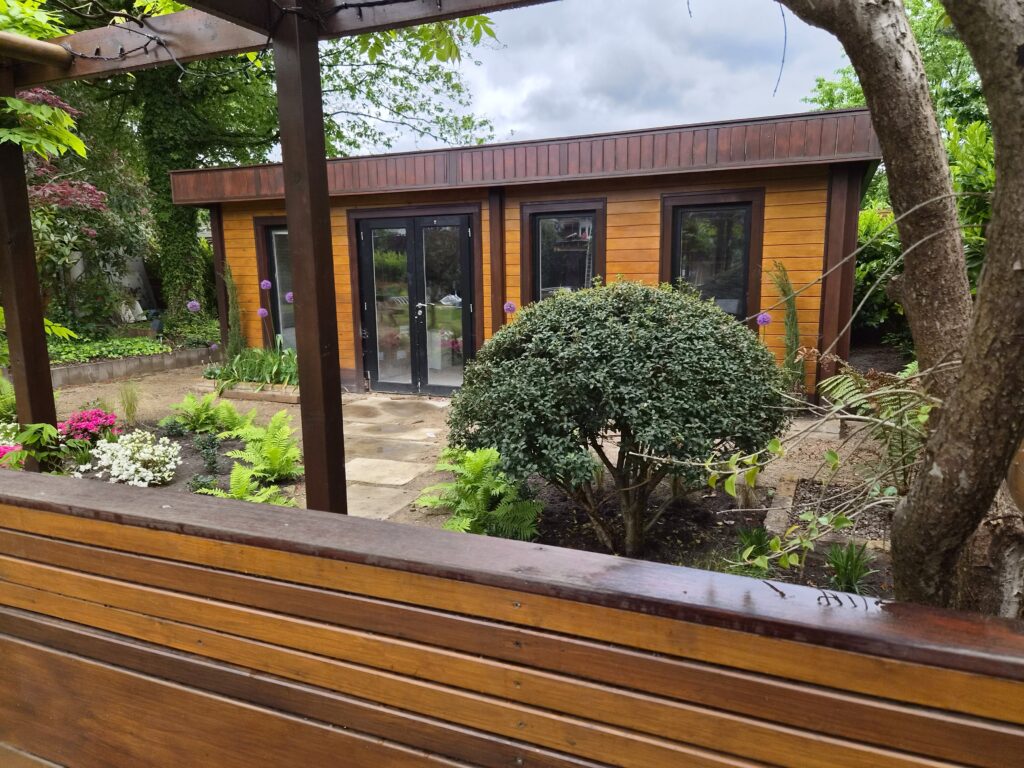
Choosing the Right Plants for a Wildlife Friendly Garden
A successful wildlife garden starts with selecting the right plants. Native plants and native wildflowers are often the best choice because they have evolved alongside local wildlife and provide a natural food source for many creatures.
When you choose plants, think about creating year-round interest. Many plants offer nectar-rich flowers in spring and summer, while others produce seeds, fruits, and food for birds in autumn and winter.
Some of the best wildlife friendly plants include:
- Butterfly bush
- Forget me not
- Common knapweed
- Holly
- Native wildflowers
- Flowering shrubs
- Fruit-bearing trees
- Nectar-rich flowers
It’s also important to plant trees where possible. Trees provide shelter, nesting sites, cover, food, and habitat for birds, insects, small mammals, and other wildlife.
Even if you have poor soil, many native species and wildflowers thrive with only a small amount of organic matter added to improve growing conditions.
What Wildlife Can These Plants Attract?
One of the greatest benefits of creating a wildlife friendly garden is the incredible variety of wildlife it can support.
Birds
Many garden plants provide food for birds through seeds, berries, and fruits. Holly (Ilex aquifolium) is particularly valuable as it provides cover and food during winter when resources are scarce.
Common visitors may include:
- Song thrush
- Robins
- Blackbirds
- Finches
- Sparrows
By incorporating trees, shrubs, and nesting areas, you can attract birds and encourage wildlife to return year after year.
Bees and Butterflies
Bees and butterflies are vital pollinators and play a huge role in maintaining biodiversity.
Plants such as butterfly bush, common knapweed, and native wildflowers are rich in nectar and pollen, providing an excellent food source throughout spring and late summer.
A garden filled with flowers that attract bees butterflies and other insects will become a vibrant hub of activity during the warmer months.
Insects, Moths and Other Creatures
Many insects rely on native plants for survival. In turn, these insects become food for birds, amphibians, and small mammals.
Wildflowers help attract moths, beetles, bees, butterflies, and countless other insects that contribute to a healthy ecosystem.
Small Mammals and Amphibians
Wildlife friendly planting can also encourage hedgehogs, small mammals, frogs, toads, and other amphibians.
Adding a pond is a fantastic way to attract wildlife. A pond creates a habitat for amphibians while also providing a place for birds and animals to drink and feed.
Caring for Wildlife Friendly Plants During Summer
Once you’ve created your wildlife friendly garden, it’s important to help your plants thrive during the warmer months.
Water Wisely
During hot periods in summer, water deeply rather than little and often. This encourages stronger root systems and healthier plants.
Retain Moisture
Adding organic matter and mulch around borders helps retain moisture, suppress weeds, and improve soil health.
Leave Some Areas Wild
It can be tempting to keep every corner tidy, but leaving a small amount of lawn unmown or allowing wildflowers to flourish can greatly benefit wildlife.
Avoid Harsh Chemicals
Reducing pesticide use helps protect bees, butterflies, moths, and other beneficial insects that your garden depends on.
Plan for the Seasons
A successful wildlife garden provides food and shelter throughout the year. Consider plants that flower in spring, provide nectar in summer, fruits in autumn, and shelter in late winter.
This approach ensures wildlife can find food and cover regardless of the season.
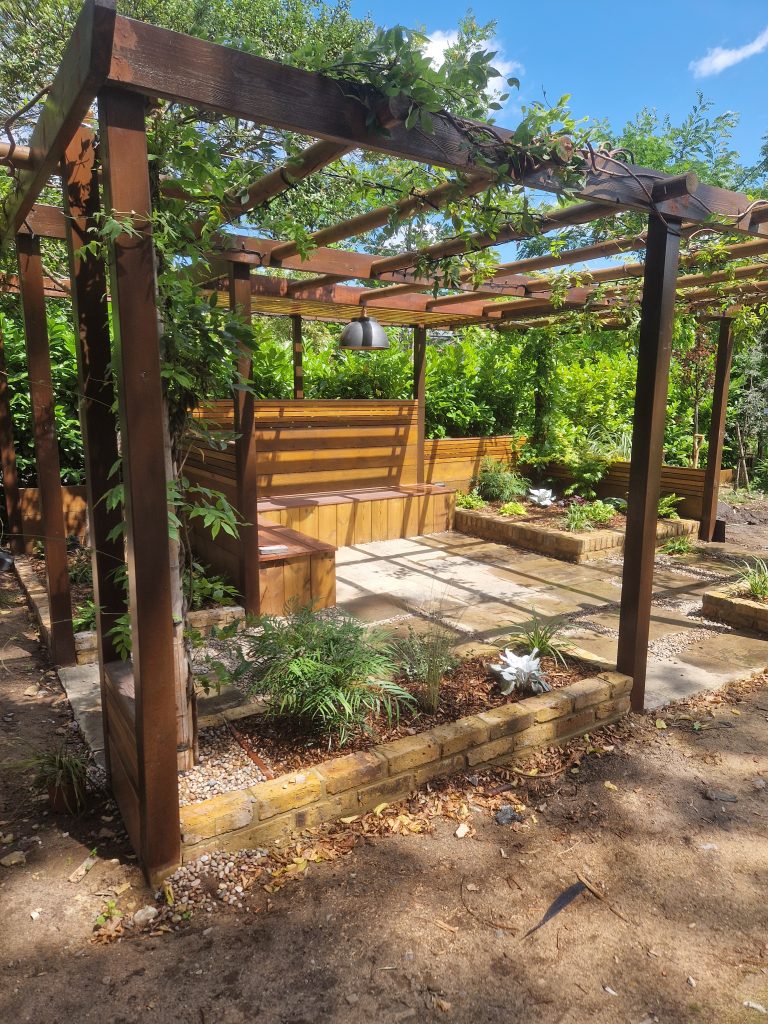
How to Communicate Your Vision to Taylored Gardens
If you’re planning a complete garden transformation, it’s important to clearly articulate what you want your garden company to achieve.
Start by considering:
- Which wildlife you want to attract
- Whether you want a formal or natural look
- If you’d like a pond, wildflower meadow, or dedicated nesting areas
- How much maintenance you’re willing to undertake
- The balance between lawn, planting, seating areas, and green spaces
Common questions about process and pricing are covered in our garden FAQs.
Providing examples, photographs, and inspiration boards can help communicate your ideas effectively.
Remember, the goal isn’t simply to add plants. It’s to create a balanced environment where wildlife can feed, nest, find shelter, and flourish.
Why Taylored Gardens Should Be Your Number One Choice
When it comes to creating beautiful gardens that work for both homeowners and nature, Taylored Gardens stands apart.
Their experienced team understands how to combine stunning design with practical planting schemes that support biodiversity and encourage wildlife.
Whether you’re looking to create a wildlife friendly garden packed with native plants, a contemporary outdoor living space, or a family garden that balances beauty and functionality, Taylored Gardens takes the time to understand your vision.
Their expertise includes:
- Selecting the right plants for your conditions
- Creating habitats for wildlife
- Designing gardens that provide food and shelter throughout the year
- Incorporating ponds, borders, shrubs, trees, and wildflowers
- Delivering bespoke garden solutions for every available space
Most importantly, Taylored Gardens doesn’t believe in a one-size-fits-all approach. Every garden is carefully designed around your property, your lifestyle, and your goals.
The result is a thriving garden that looks fantastic, supports local wildlife, and provides enjoyment in every season.
Create a Garden Full of Life
Creating a wildlife friendly garden is one of the most enjoyable and environmentally beneficial investments you can make. By choosing native plants, planting trees, incorporating wildflowers, and providing food and shelter for wildlife, you can transform your outdoor space into a thriving haven for birds, bees, butterflies, insects, amphibians, and small mammals.
Whether you’re starting from scratch or improving an existing garden, the right design and planting choices can help bring nature closer to home. And with the expert guidance of Taylored Gardens, creating a beautiful, wildlife-rich outdoor space has never been easier.