
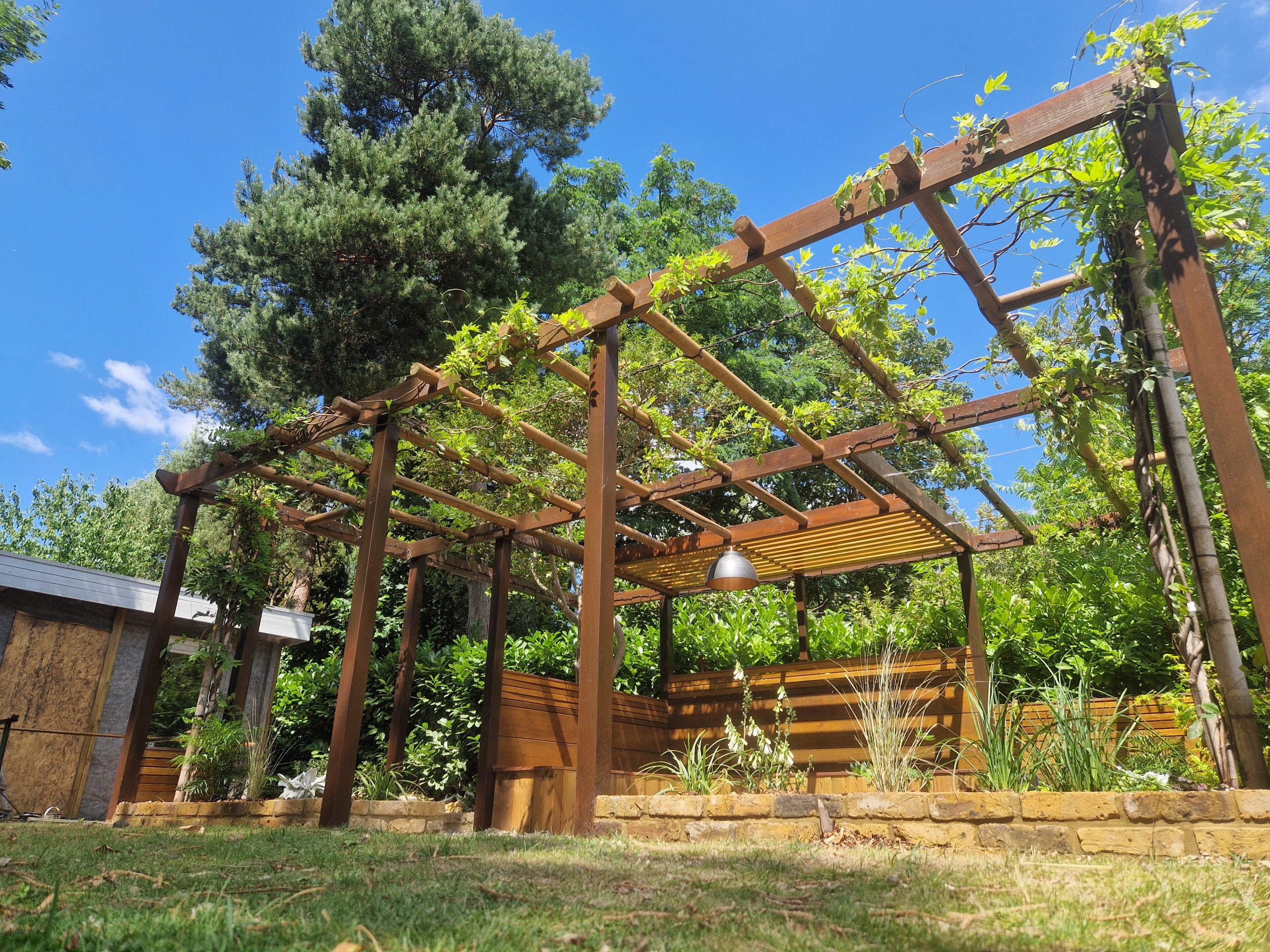
Designing a Garden That Grows With Your Family: Creating a Space for All Ages
When you’re designing a garden that grows with your family, you’re not just creating an outdoor space — you’re crafting a living, evolving environment that nurtures imagination, play, connection, and memories for years to come. The garden should complement the house, with functional zones near the house for supervision and relaxation, while creating separate areas further away for play and exploration. Whether you’re starting fresh or adapting an existing garden to suit a young family, the goal is to create a family-friendly garden that suits all ages — from toddlers exploring nature for the first time, to teenagers needing a place to relax, and even adults wanting to unwind with friends.
Dividing the garden into distinct “rooms” or zones allows each area to serve a specific purpose and makes it easier to repurpose spaces as your family’s needs change over time.
In this blog, we’ll explore how to plan a family garden that adapts as your family grows, with practical tips on plant choices, colour palettes, safety, communication with your garden design team, and why Taylored Gardens is the number one choice for families across Surrey. Future-proofing your garden for 2025 is key—design a landscape that evolves as your children grow.
Planting for the Future: Choosing the Right Plants
When planning a child-friendly garden, the types of plants you choose matter. You want to encourage young people to explore and interact with the natural environment, while also ensuring safety and longevity.
Here are a few planting tips:
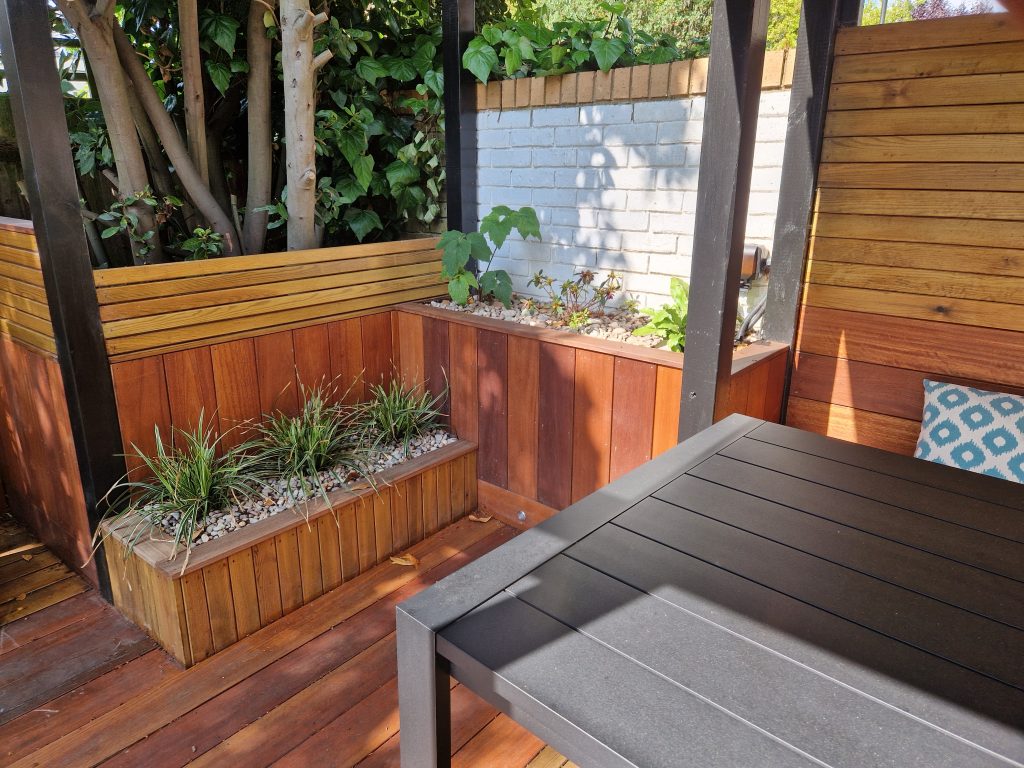
- Raised beds are perfect for little hands to help with gardening, giving them ownership of their own mini garden. For example, planting strawberries or cherry tomatoes in raised beds can make it easy and fun for children to harvest their own snacks.
- Choose soft, non-toxic, sensory-rich plants like lavender, thyme, and grasses to engage the senses. Sensory garden elements, such as lamb’s ear for touch, mint for smell, and edible herbs for taste, help engage children through multiple senses.
- Include trees and shrubs that grow slowly and won’t overshadow the space too soon.
- Opt for plants that attract bees and butterflies to support local wildlife and teach kids about nature.
- Incorporate hardy perennials and evergreens that withstand messy play and unpredictable weather.
- For play areas, choose resilient grass like perennial ryegrass, which can handle heavy foot traffic and recover quickly.
- Growing food in the garden, such as carrots or peas, helps children learn about where food comes from and encourages healthy eating habits from a young age.
A nature garden is not only beautiful — it becomes a space to explore, learn and grow.
Using Colour to Support Growth and Play
Colour has a big impact on how children and adults feel in a space. In a family-friendly garden, creative ideas for using colour can help mark out different areas and subtly guide imaginative play.
- Use natural, calming tones like greens, soft blues, and earthy browns in quiet zones for reading or relaxing.
- Brighter colours like yellows, oranges, and reds can highlight a play area and equipment zones, inviting energy and fun.
- Choose colourful flowering plants that change throughout the seasons, showing children how the garden evolves over time — just like them.
- Consider painting low walls, raised beds, or shed doors in fun, bold colours to add creative flair.
Children love to run, trip, roll, and generally treat lawns like assault courses, so it’s important to use durable surfaces in these areas.
The right colour choices help your garden feel playful without overwhelming the natural environment.
Creating a Safe Garden for All Ages
Safety is crucial when creating a child-friendly garden, especially for families with young children. Here’s how to build a safe yet exciting outdoor space:
- Use bark chippings, artificial grass, or soft lawn under play equipment to cushion falls. Soft, impact-absorbing surfaces in play zones also make it easy to convert these areas to other uses as children grow.
- Add a low hedge or low wall to define zones for safety and containment—these features act as discreet, child-friendly barriers that keep children within safe areas, prevent escapes, and enhance the garden’s look without blocking views. Zoning with a low hedge or low wall also helps keep toys in the play area and plants standing proud in borders. Zoning helps define spaces for play and relaxation, making it easier to supervise children, and encourages spending time in different ways, such as playing, relaxing, or exploring.
- Ensure safety sightlines by designing play zones to be visible from adult seating areas, so you can supervise children easily.
- Avoid thorny or toxic plants and always double-check plant safety with your landscape architects.
- Include raised beds to separate plants from plastic toys or areas of messy play.
- Encourage den building, mud kitchens, and climbing frames, but ensure they’re securely installed and age-appropriate.
- Install bird feeders and bug hotels at safe heights to encourage children to interact with nature.
A well-thought-out garden design balances safety with freedom, helping kids play, learn, and grow confidently. Creating a garden that is safe and enjoyable for children of all ages is easier than you might think.
How to Communicate Your Vision with a Garden Company
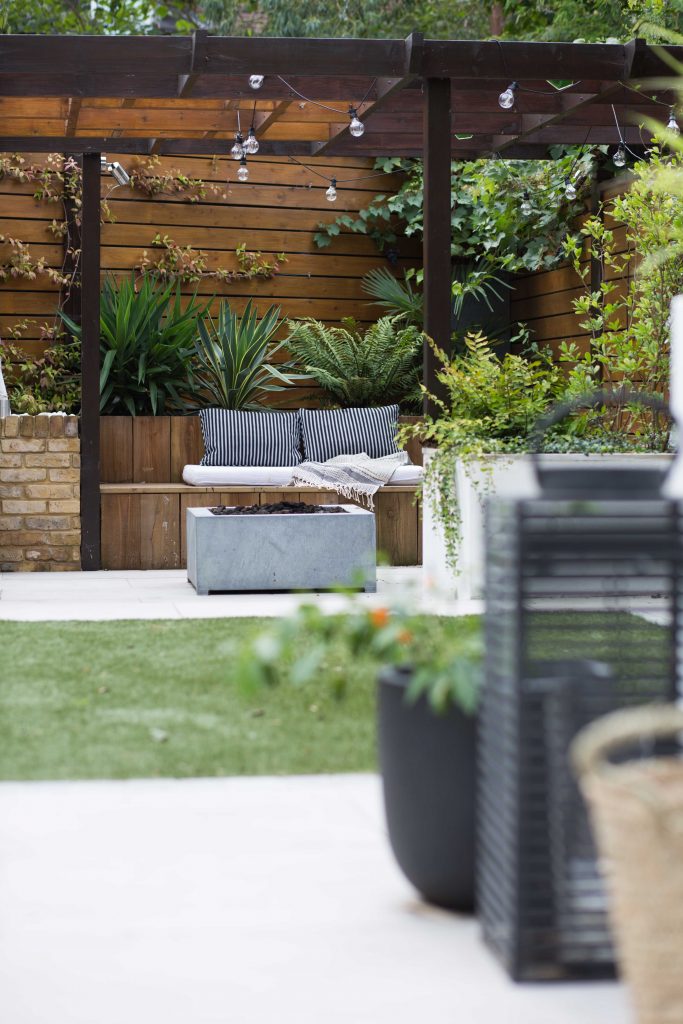
Designing a family garden is a co-designed, collaborative process between you and your garden company. The best results come when you clearly articulate your needs and aspirations to your garden design team.
Here’s how to do it effectively:
- Think about how your family uses the space now, and how it may need to adapt in the future.
- Make a list of essential features — like a mud kitchen, wendy houses, or space for adults to relax.
- Share an example or photos (think Chelsea Flower Show-style inspiration!) to spark conversation.
- Be honest about your budget and your time for maintenance.
- Discuss practicalities: access, drainage, hard landscaping, and storage (shed, bins, bikes).
Effective strategies for designing an adaptable garden focus on zoning multi-purpose spaces and incorporating modular, movable elements that can be repurposed as your family’s needs evolve.
When you’re co-designing your space with experienced landscape architects, clear communication ensures they can deliver a garden that works for the whole family — not just for today, but for years to come.
Why Taylored Gardens is the Best Choice for Family Gardens in Surrey
When it comes to designing a family-friendly garden, Taylored Gardens offers the best advice, expert craftsmanship, and thoughtful garden design tailored to your family’s lifestyle. Here’s why they stand out:
- Experience in Co-Design: Taylored Gardens takes the time to co-design your garden with you. They listen carefully to your vision, consider the needs of both you and your young family, and bring it to life with creativity and precision.
- Child-Centric Design: They specialise in designing child-friendly outdoor spaces, using safe, sustainable materials and age-appropriate features like climbing frames, play areas, and individual spaces for all ages.
- Inspiration from the Best: Inspired by leading designers like Adam White and shows like Chelsea Flower, Taylored Gardens blends award-winning design with real-world functionality.
- Natural Meets Practical: Their gardens encourage imaginative play and interaction with the natural environment while incorporating low-maintenance options like artificial grass and cleverly designed beds and ground coverings.
- Adaptable Solutions: Taylored Gardens excels at creating one space that seamlessly balances practicality, safety, and playfulness, with adaptable, layered, and multifunctional zones. They invest in modular raised beds that can be reconfigured as your gardening interests evolve. Children’s play areas are designed to be converted into vegetable patches or relaxation spots as they outgrow equipment. Modular structures, such as movable seating, can be easily reconfigured as children’s interests change. Features like sandpits can be adapted over time to become raised beds, ensuring your garden grows with your family. Their designs also invite exploration and include elements like bird feeders to engage children year-round. Whether you have a large garden or a small area, Taylored Gardens knows how to make the most of your space, creating a haven that children grow into and adults enjoy every day.
Final Thoughts
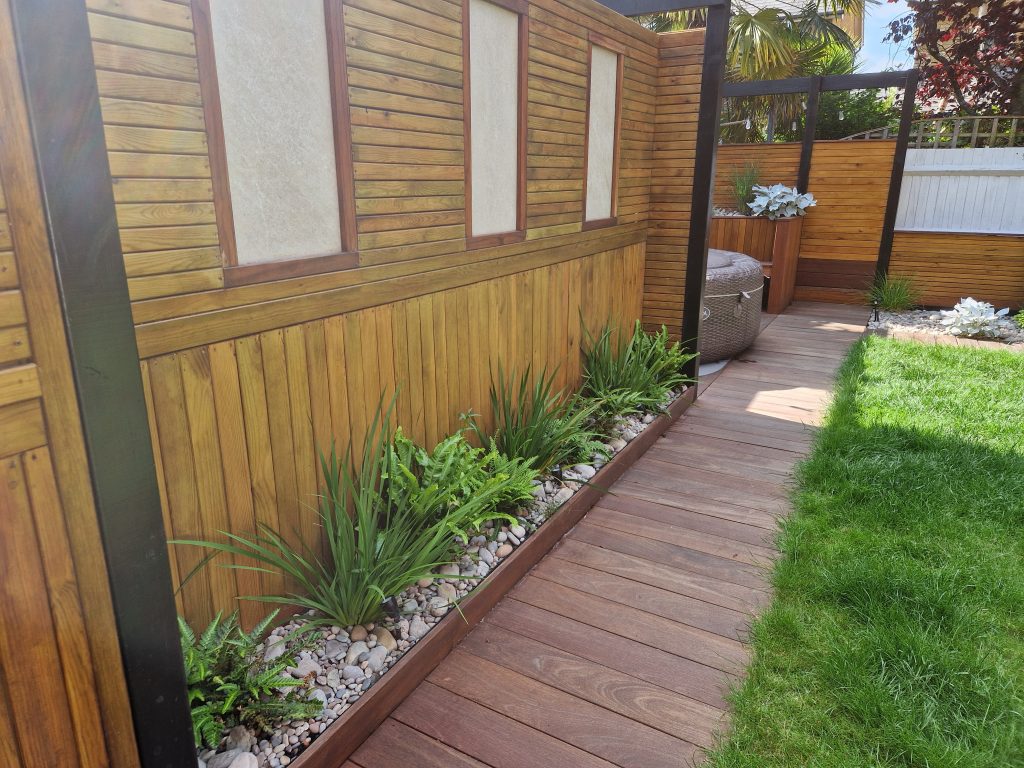
Designing a garden that grows with your family is a rewarding investment in your home and your children’s future. From early years messy play to teenage hangouts and quiet outdoor dinners, the right garden design adapts to your changing needs.
With the right plants, colours, equipment, and expert support from a team like Taylored Gardens, your family-friendly garden will be a space to play, connect, and grow — together.
If you’re ready to create a garden that’s beautiful, functional, and full of joy, Taylored Gardens is here to help you plan, create, and adapt the perfect space — one that works for the whole family, now and in the future.